
Commercial heat rejection
Solar Control Window Film in Washington DC
A glass office building in the DC area spends half the year fighting the sun. Solar control film reduces the heat and glare coming through the glazing so the mechanical system and the people inside both have an easier time.
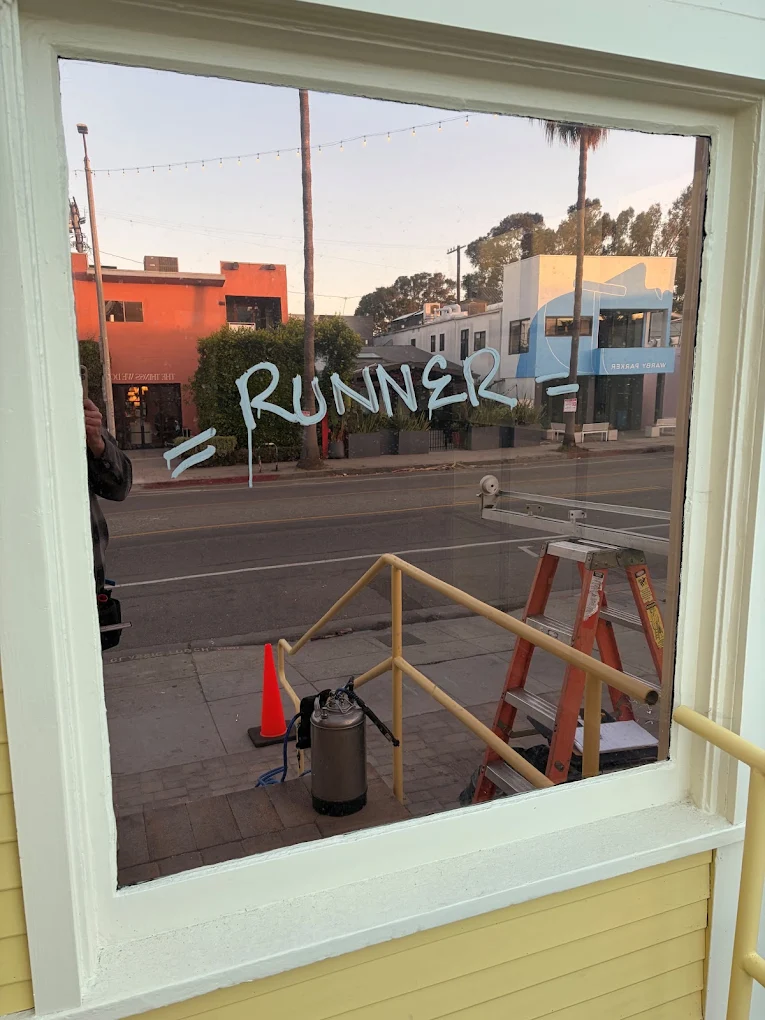 Washington DC
Solar Control Film for DC Curtain-Wall Buildings
The newest commercial districts around Washington are built from glass. NoMa's offices north of Union Station, the towers around Nationals Park in Navy Yard, the buildings at The Wharf, and the Silver Line corridor through Tysons and Reston all feature floor-to-ceiling curtain walls. Those facades bring daylight deep into the floor, and they also bring the sun's heat, especially on east and west faces where the sun comes in low.
Even buildings with good factory low-E glass can struggle on their worst elevations. Tenants on west floors in Tysons, facing open parking or low suburban rooftops, take full afternoon sun with nothing to block it. In Navy Yard, river-facing offices get low reflected light off the Anacostia as well. Solar control film adds a layer of rejection on top of the existing glass and brings those zones closer to the rest of the building.
Checking Glass Compatibility Before Applying Solar Film
Large insulated glass units are the most sensitive part of this work. Film on the interior surface absorbs some solar energy and raises the temperature of the inner pane. If the pane is already absorbing a lot, has edge damage, or is heat-strengthened in a way that is not suited to the film, the added stress can cause a crack.
We avoid that by doing the homework first. We identify the glass from building documents, the glazing contractor or an on-site meter reading, then check the combination against the film manufacturer's published guidance. Where a product is not approved for the glass, we do not install it, and we recommend an alternative that is. That process also protects the film maker's coverage on the glass, which many owners want documented.
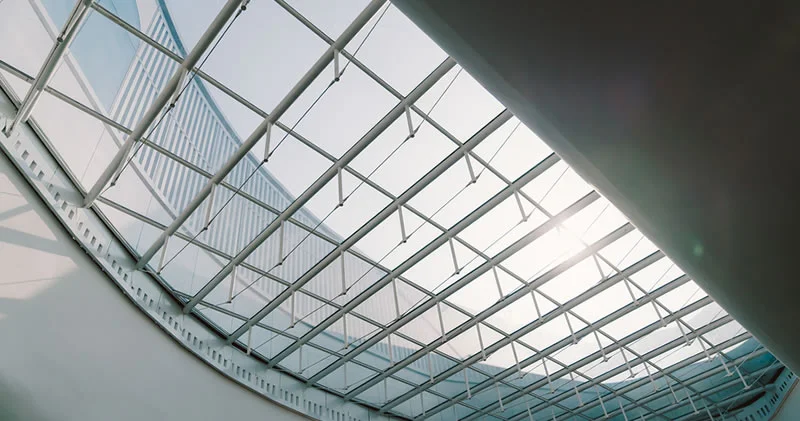
Interior Versus Exterior Solar Control Film
Most of our commercial solar work is interior film, installed from inside the building. It is protected from weather, lasts longer and does not require lifts or swing stages. Exterior films reject more heat before it reaches the glass, which helps with sensitive glazing, but they face rain, sun and cleaning crews and wear out sooner.
For buildings in the District, exterior work also raises questions of access, sidewalk permits and, in historic districts, review of anything that changes the facade. We look at both options and explain the tradeoffs for your building before you commit.
Solar Control Film and DC Building Energy Performance Standards
Owners in the District now track building energy use closely because of the benchmarking requirement and the Building Energy Performance Standards. Solar control film lowers the cooling load at the perimeter, which can be a modest but low-disruption piece of an efficiency plan. In Montgomery County, owners face their own benchmarking reporting, and the same logic applies.
We supply solar heat gain coefficient, visible light transmission, shading coefficient and U-value data for each film so your engineer or energy consultant can model the impact. We do not promise a specific score or savings figure, because those depend on the building as a whole.
- Film performance data for energy models
- Glass compatibility checks before quoting
- Phased installs in occupied buildings
- Uniform appearance across floors
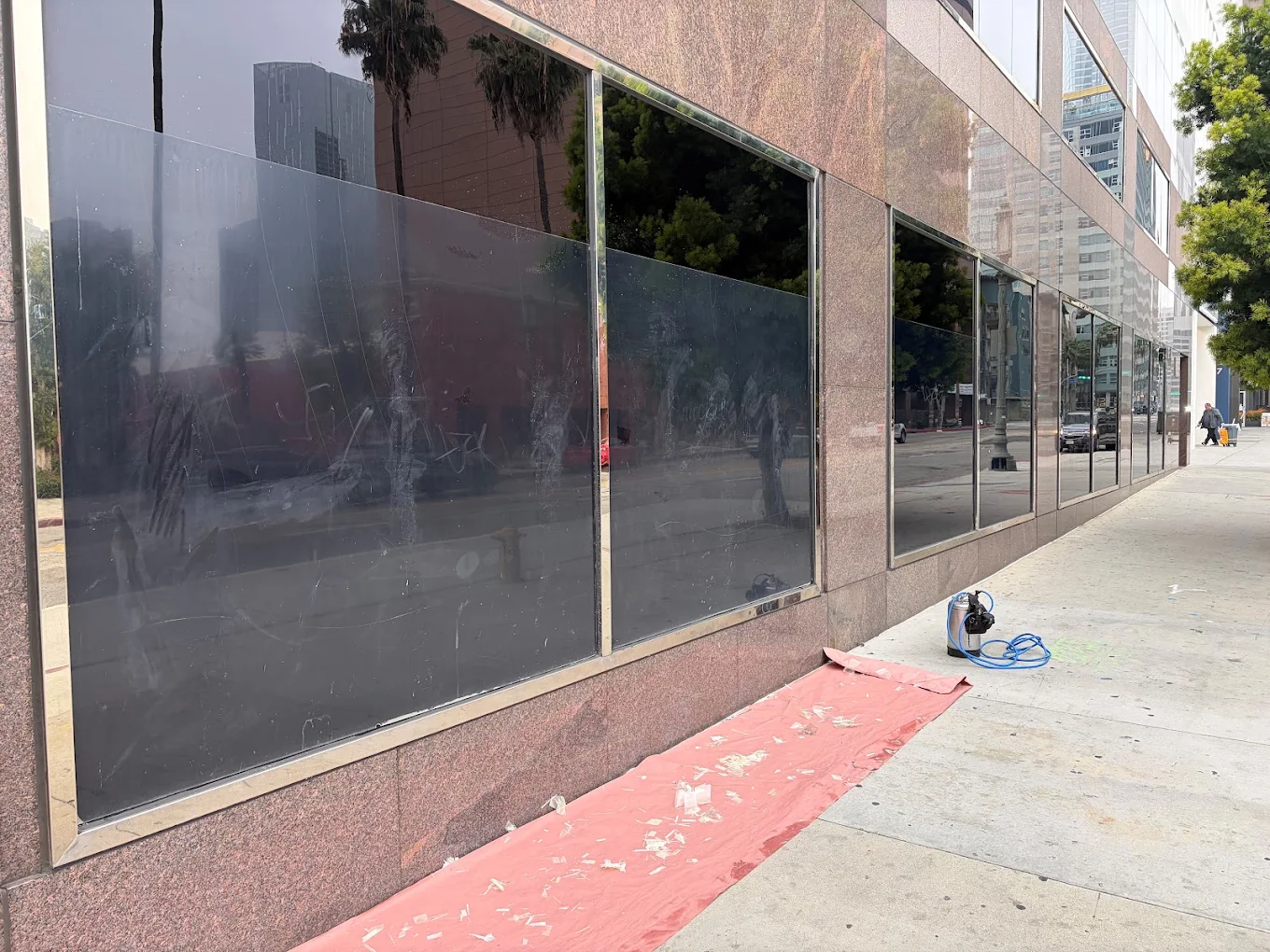
Solar Control Film Results in DC Commercial Buildings
Solar Control Film Cuts Perimeter Cooling Load
Rejecting part of the solar energy at the glass reduces the cooling load on perimeter zones, easing strain on equipment during long humid summers and narrowing temperature swings across the floor.
Glare Control on Glass Office Floors
Lower visible light transmission cuts glare on screens from low sun, so blinds can stay up and occupants keep the daylight and views the curtain wall was designed to deliver.
Compatibility-Checked Solar Film
Each film is matched to the existing glass against the manufacturer's published guidance, avoiding thermal stress cracks and keeping coverage documented for the owner.
Solar Film Data for Energy Reporting
Measured film performance data supports energy models used for benchmarking and BEPS planning, so the owner can see what film contributes to the building's overall energy picture.
Building Engineers Ask About Solar Control Film in DC
Can solar film crack our insulated glass?
It can if the film is wrong for the glass. That is why we identify the glass first and only install films the manufacturer approves for that makeup. Properly matched, the risk is low.
How dark does commercial solar film need to be?
Not necessarily dark at all. Selective products are built to stop infrared while passing daylight, so a near-clear film can still make a real difference. Deeper and mirror finishes go further on heat, at the cost of a visibly different facade.
Will solar film change the look of our building?
Reflective films do. Low-reflectance films look close to the existing glass. We match the film to the building's appearance requirements and show samples on site.
Does solar control film help in winter?
Standard solar film mainly helps in summer. Low-E solar films also reduce winter heat loss, which is useful in the DC climate on older single-pane glass.
Can you work in an occupied building?
Yes. We install evenings and weekends, phase by floor, and follow the building's contractor rules.
Solar Control Window Film Service Areas in Washington DC
Window film quote
Request a Solar Control Film Assessment for Your DC Building
Send the address and the elevations or floors involved through the quote form, and note any glazing specs or drawings we should see. We will check compatibility and reply with options and a price.