
Lower bills, same windows
Energy-Saving Window Film in Washington DC
Replacing windows in an old rowhouse is expensive and, in a historic district, not always allowed. Energy-saving film improves the glass you already have, trimming the cooling load in summer and, with low-E products, some of the heat loss in winter.
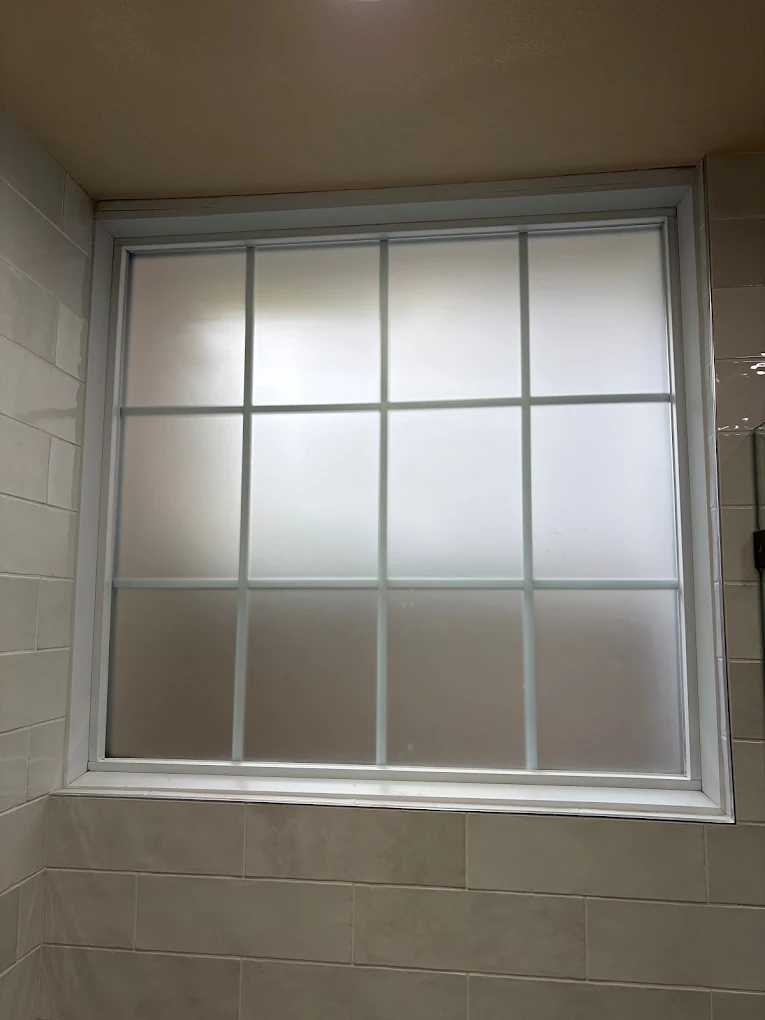 Washington DC
Window Energy Loss in Older DC Homes
Many District rowhouses still have single-pane wood windows, some original, some replaced decades ago. Single glass lets in plenty of solar heat in summer and loses heat quickly in winter. Storm windows help, and so does sealing drafts around the sash, but the glass itself remains a weak spot.
DC's climate makes that weakness show up twice a year. July and August bring humid heat that keeps air conditioners running, and January brings cold nights when a single pane feels icy to stand next to. Energy-saving film is aimed at both seasons, depending on which product you choose.
Solar Film Versus Low-E Window Film for DC Weather
Solar control film rejects part of the sun's energy before it enters the room. It does most of its work in summer, on east, south and west glass. Low-E film adds a coating that reflects long-wave heat back into the room, so in winter more of your furnace's heat stays inside instead of radiating out through the glass.
For a house in the DC area, the choice depends on the window. A west bedroom that overheats in summer and is never cold in winter may need only solar film. A drafty front parlor with single-pane sashes on a north street benefits more from low-E. Many homes end up with a mix, chosen window by window.
- Solar film for east and west glass that overheats
- Low-E film for single-pane windows that feel cold in winter
- Spectrally selective film where daylight matters
- No film at all on shaded north windows that cause no trouble
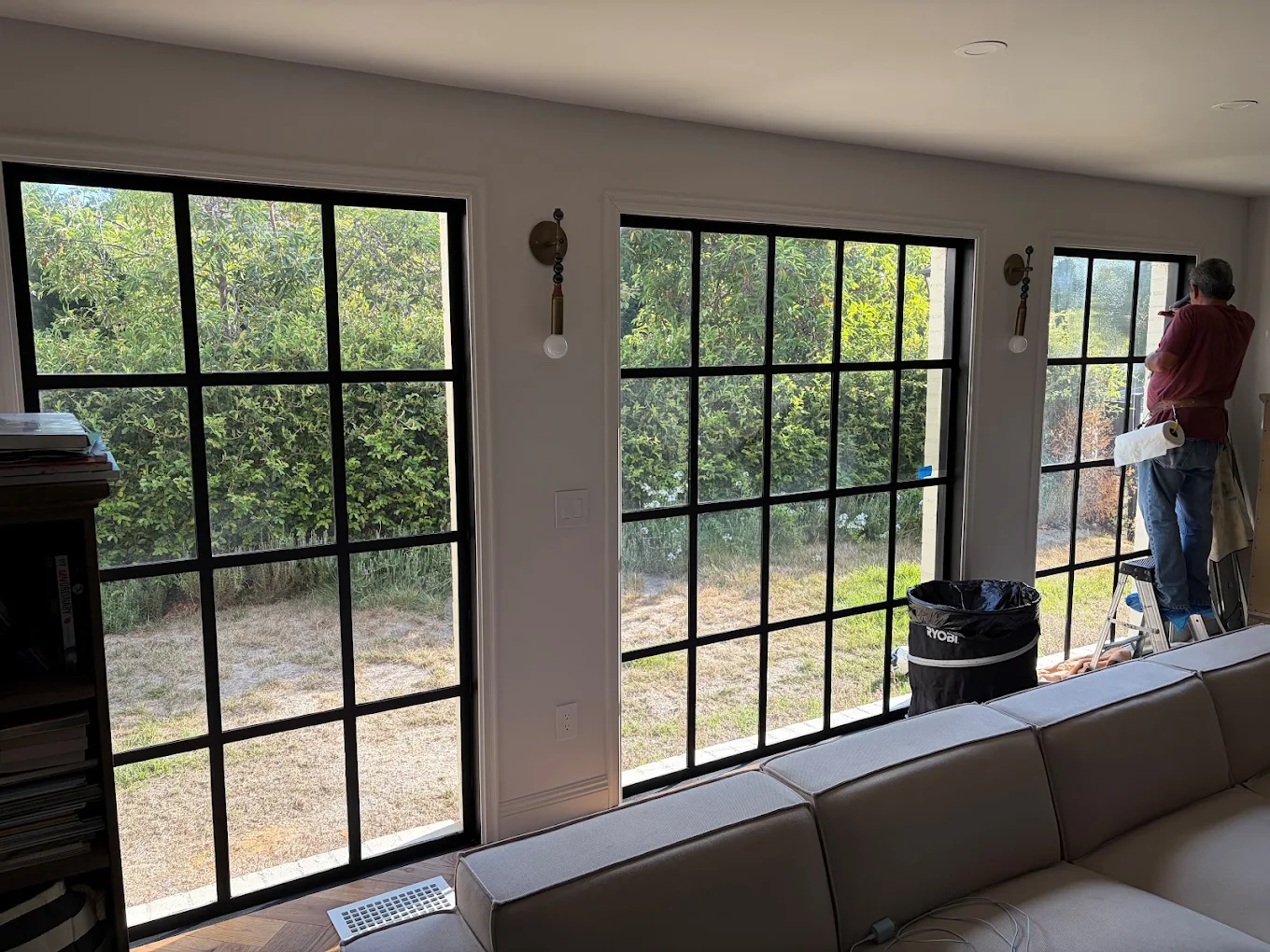
Energy-Saving Film as an Alternative to Window Replacement on Capitol Hill
In historic districts like Capitol Hill, replacing original windows usually requires review, and the replacements must often match the historic design, which raises the cost. Many owners choose instead to repair the sashes, add interior or exterior storm windows and apply film to the glass. Film is reversible and does not change the window's appearance, which keeps it clear of most review concerns.
This approach keeps the house's character and still improves comfort. It will not match the performance of a new insulated window, and we say so plainly, but it costs far less and can be done in a day.
Utility Bills in DC, Silver Spring and Rockville
Pepco serves the District and the Montgomery County suburbs, including Silver Spring and Rockville. Dominion Energy serves Arlington, Alexandria and Fairfax County. Whichever utility you have, the largest savings from film come in summer, when cooling load peaks on the hottest afternoons.
We do not promise a dollar figure, because savings depend on the house, the glass, the HVAC system and how you set the thermostat. We can show you the measured solar heat gain and U-value data for each film so you can see what changes at the window.
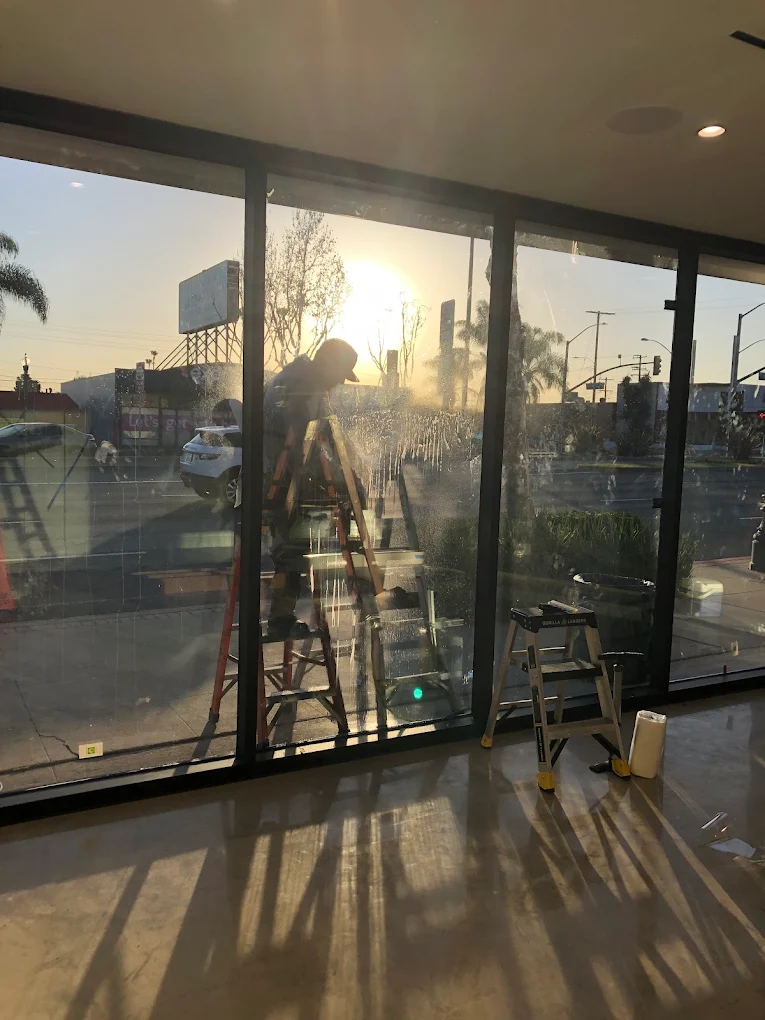
Pepco and Dominion Customers: What Energy-Saving Film Changes
Lower Summer Cooling Load With Window Film
Solar film trims the heat pouring through sunlit panes, so the compressor cycles less on a humid four o'clock in August and rooms on the sunny side hold closer to the thermostat.
Warmer Windows in Winter With Low-E Film
A low-E layer returns radiant warmth from the radiator or vents toward the occupants, making single-pane glass feel less cold and reducing heat loss through the window on winter nights.
Energy Savings Without Replacing Historic Windows
Film improves the glass while the original sash stays in place, a practical path for rowhouses in historic districts where replacement windows face review and higher costs.
Energy-Saving Film Also Blocks UV
Energy films block most ultraviolet light, adding fade protection to floors and furniture in the same rooms where you are cutting heat gain.
Energy-Saving Window Film Questions for DC Homeowners
How much will energy-saving film reduce my Pepco bill?
It depends on your house, glass, orientation and HVAC. Savings are largest on east and west windows in summer. We share each film's performance data rather than promising a specific number.
Is low-E film worth it in the DC climate?
For single-pane windows in rooms that feel cold in winter, often yes. DC has real heating and cooling seasons, and low-E film helps in both. For newer double-pane low-E glass, the added benefit is smaller.
Can I combine film with storm windows?
Yes. Interior film on the primary glass plus a storm window is a common setup in older DC houses. We check that the combination will not trap too much heat between the panes.
Do I need historic approval for energy film?
Clear or near-clear interior film usually does not change the look of the window. Reflective film is more likely to raise questions. Check with the Historic Preservation Office if unsure.
Does energy-saving film qualify for rebates?
Programs change over time. Check with your utility, the DC Sustainable Energy Utility or your county energy office for current offers, since eligibility rules for film vary and are revised from year to year. We can provide product documentation if a program asks for it.
Energy-Saving Window Film Service Areas in Washington DC
Window film quote
Price Energy-Saving Window Film for Your DC Area Home
Note which rooms are hot in summer or cold in winter, the type of windows and their direction through the quote form. Expect a reply naming solar, low-E or a mix, priced window by window.