
Two-season glass upgrade
Low-E Window Film in Washington DC
Washington has a real winter and a real summer, and older single-pane glass does poorly in both. A low-E window film puts a microscopically thin metal layer on the room side of the old pane, trimming summer solar gain and holding more heat indoors when it is cold.
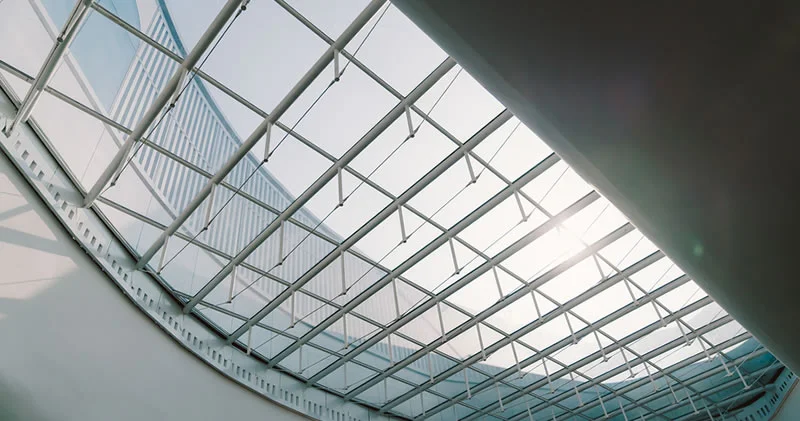 Washington DC
Why Low-E Film Suits the DC Climate
Some cities only need help in one season. DC needs it in two. Summers bring long humid stretches when cooling dominates, and winters bring freezing nights and the occasional snowstorm when heating takes over. A film that only rejects solar heat helps for half the year. A low-E film also reflects long-wave heat back into the room, so it continues to earn its keep from November through March.
That makes low-E film a better fit here than in hot-climate cities where cooling is the whole story. It is most useful where the glass is older and single-pane, since modern insulated low-E units already include a similar coating.
Facility managers usually notice the winter benefit first. Staff and students stop dragging desks away from the windows in January, space heaters disappear from under the sills, and complaints about cold drafts drop even though no air sealing changed, because a lot of what people call a draft near old glass is really radiant heat loss to a cold pane.
Low-E Window Film for Older DC Offices, Schools and Churches
A lot of the region's commercial and institutional buildings still have single-pane or early insulated glass. Older office buildings downtown and on Capitol Hill, private schools, university buildings, churches, and government-adjacent properties often have windows that cannot be replaced easily, whether because of cost, historic designation or the disruption of a full replacement in an occupied building.
Low-E film is installed from inside, one window at a time, after hours or during school breaks. It improves the window's insulating performance and solar control together. Occupants feel the change most next to the glass, where a single pane that once radiated cold in January feels noticeably less chilly.
- Older downtown and Capitol Hill office buildings
- Schools and university buildings
- Churches and other houses of worship
- Historic buildings where window replacement is restricted
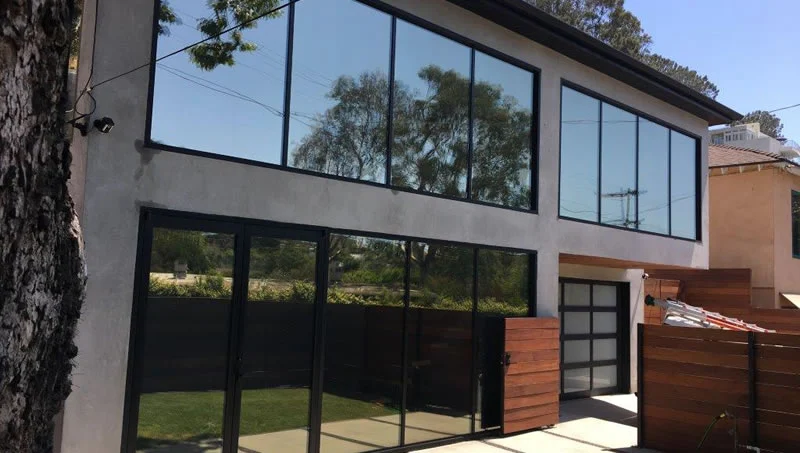
Low-E Film in Historic Buildings in Alexandria and DC
Historic commercial buildings in Old Town Alexandria, on Capitol Hill and in other protected districts face strict rules on window replacement. Replacing original sashes may require review and matching historic profiles, which drives up cost. Low-E film leaves the sash and glass in place and changes little about the window's appearance when a low-reflectance product is used.
We confirm the condition of the old glass first. Cracked panes, loose glazing compound and paint on the glass edge should be fixed before film goes on, and very old or thin glass may limit which films are suitable.
Low-E Window Film and Building Performance Rules
For owners of covered buildings in the District, the Building Energy Performance Standards make winter heating loads as relevant as summer cooling. Low-E film addresses both, which makes it worth considering alongside air sealing, storm windows and mechanical upgrades. In Silver Spring and the rest of Montgomery County, benchmarking reporting puts similar focus on building energy use.
We provide the U-value, solar heat gain and visible light data your consultant needs to model the film. We do not claim a compliance outcome or a specific savings number.
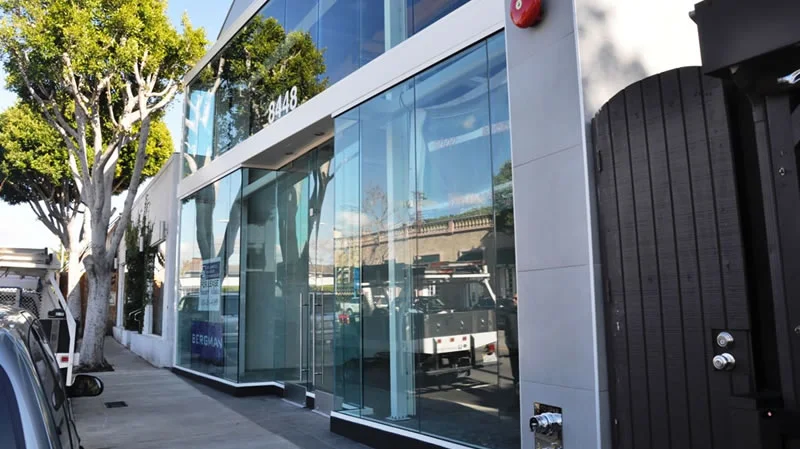
Low-E Window Film Results for DC Buildings
Low-E Film Holds Heat In During DC Winters
Warmth from radiators and vents bounces off the coating instead of escaping, so an old single pane leaks less heat and the desks beside it stop feeling like they sit next to an open freezer.
Summer Solar Control From Low-E Film
Low-E films also reject part of the incoming solar heat, so the same film reduces cooling load on sunny summer afternoons.
Low-E Upgrade Without Window Replacement
Classrooms stay in use, tenants keep working, and historic sashes stay put. Film upgrades the glass where it sits, so the owner skips the scaffolding, the long lead times and the preservation hearings a full replacement can bring.
Low-E Film Data for Energy Planning
Measured U-value and solar performance data let your energy consultant model the film's contribution to benchmarking and BEPS planning.
Owners and Engineers Ask About Low-E Window Film in DC
Is low-E film worth it on double-pane glass?
Less so if the glass already has a low-E coating. The biggest gains come on single-pane and older clear insulated glass. We identify your glass before recommending low-E film.
Can people tell from the street that low-E film is on the glass?
Some products carry a faint tint or sheen, especially at an angle in bright sun. Lower-reflectance versions read as nearly clear. A sample taped to one pane next to an untreated one settles the question quickly.
Can low-E film go on historic glass?
Often, if the glass is sound. We inspect for cracks and loose glazing and choose a film suited to older single-pane glass.
What maintenance does low-E film need?
Very little, and it lasts many years indoors. Avoid abrasive cleaners and razor blades on the filmed surface, and the manufacturer's warranty sets the exact term.
Low-E Window Film Service Areas in Washington DC
Window film quote
Price Low-E Window Film for Your DC Building
Send the address, the glass type if you know it, and the rooms that are too cold in winter or too hot in summer through the quote form. A compatibility check, recommended films and a price then come your way by phone or email.