
Sacrificial glass protection
Anti-Graffiti Film in Washington DC
No solvent removes a tag scratched into a storefront pane; a glazier does. Anti-graffiti film puts a clear layer in front of the glass, so the next time someone keys a tag into the window, you change a sheet of film instead of a storefront pane.
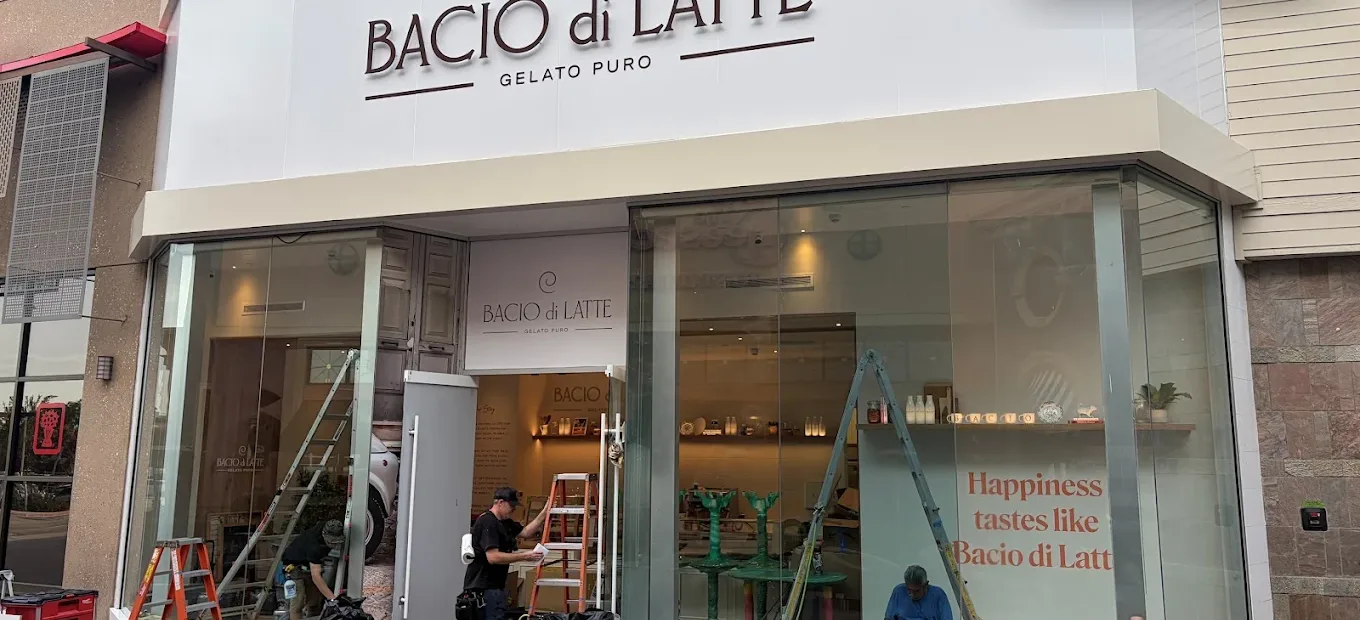 Washington DC
Graffiti Damage on DC Storefront Glass
Paint and marker on glass are a nuisance, but they come off. Scratching and acid etching do not. Tags cut into glass with a key, a stone or an etching cream leave permanent marks, and the only real fix is replacing the pane. On a large storefront that means a glazier, a board-up in the meantime and a bill that keeps coming back if the same corner gets hit again.
In the District this shows up on corridors with heavy foot traffic and late hours, such as 18th Street in Adams Morgan, 7th Street and H Street around Penn Quarter and Chinatown, and parts of U Street and 14th Street. Transit entrances, bus stops and the glass doors of apartment lobbies get hit as well. Silver Spring's downtown and other busy Maryland and Virginia districts see the same pattern.
How Anti-Graffiti Film Works on Glass
Anti-graffiti film is a clear, tough polyester film with a hard-coated surface, applied to the outside of the glass where vandals reach it. It takes the scratches, the paint and the etching. Marker and paint can often be cleaned off the film's surface. Deep scratches and etching cannot, but they stop at the film.
When the film is damaged beyond cleaning, we peel off the affected sheet and install a new one. That costs less than new glass and takes far less time. Most owners keep a replacement plan with us so damaged panels can be swapped quickly after an incident.
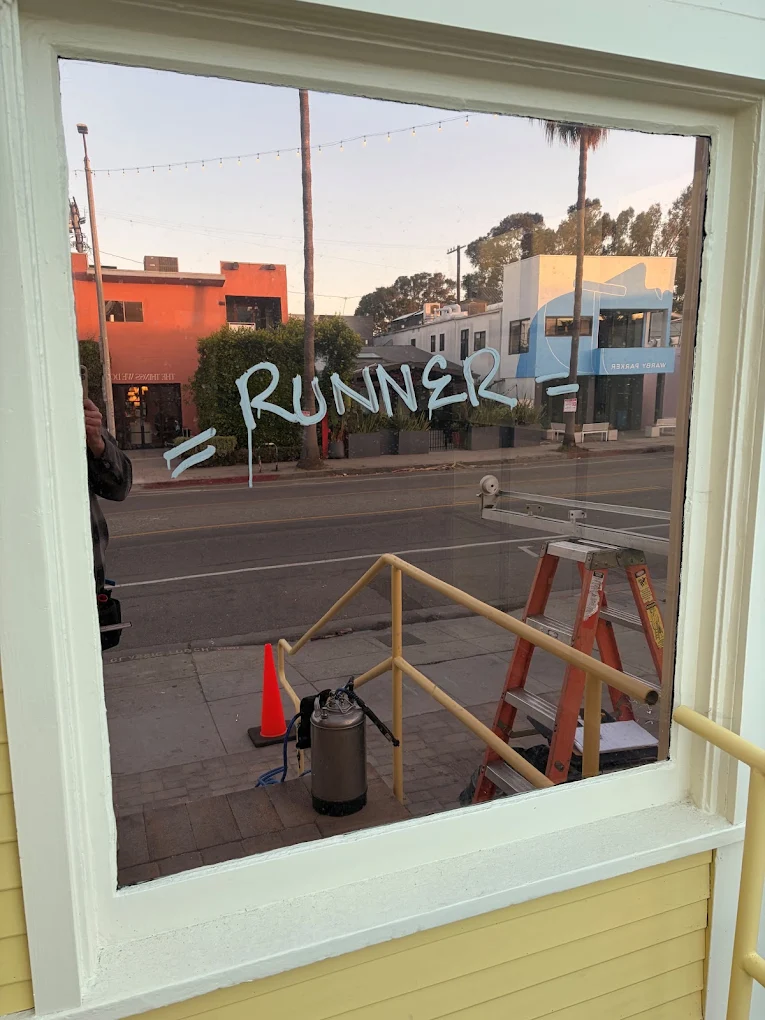
Anti-Graffiti Film for Penn Quarter and Adams Morgan Businesses
Restaurants and bars along 18th Street, galleries and shops in Penn Quarter, and corner stores across the city often find the same lower panes and door glass hit over and over. Treating just those panes, rather than the whole facade, is usually enough. The film is nearly invisible, so the storefront keeps its look and stays within historic district expectations.
Property managers of mixed-use buildings in Navy Yard and NoMa use the film on ground-floor retail glass and lobby doors to keep vacant storefronts and amenity spaces presentable while waiting for tenants.
- Lower storefront panes and door glass
- Apartment and office lobby entrances
- Glass near transit entrances and bus stops
- Elevator, mirror and interior glass in public areas
Maintaining Anti-Graffiti Film
Exterior anti-graffiti film faces sun, rain, road grime and window washers, so it wears faster than interior film. It is designed to be replaced, and that is the point: a few sheets of film are cheaper than a storefront pane. Your window cleaner should use soft tools and avoid razor blades on the filmed surface.
For paint or marker tags, a mild cleaner usually removes them from the film. For deep scratches, etching or worn film, schedule a replacement. Keeping a photo record of each incident helps if you are filing an insurance claim or a police report. Some business improvement districts in the city also run graffiti removal programs, and a record of incidents helps them prioritize your block.
Owners sometimes ask whether to film every pane on the facade. Usually not. Vandals favor the lowest glass, the door, and anything near a corner or a dark recess. We start there and add panes only if the pattern of damage spreads.
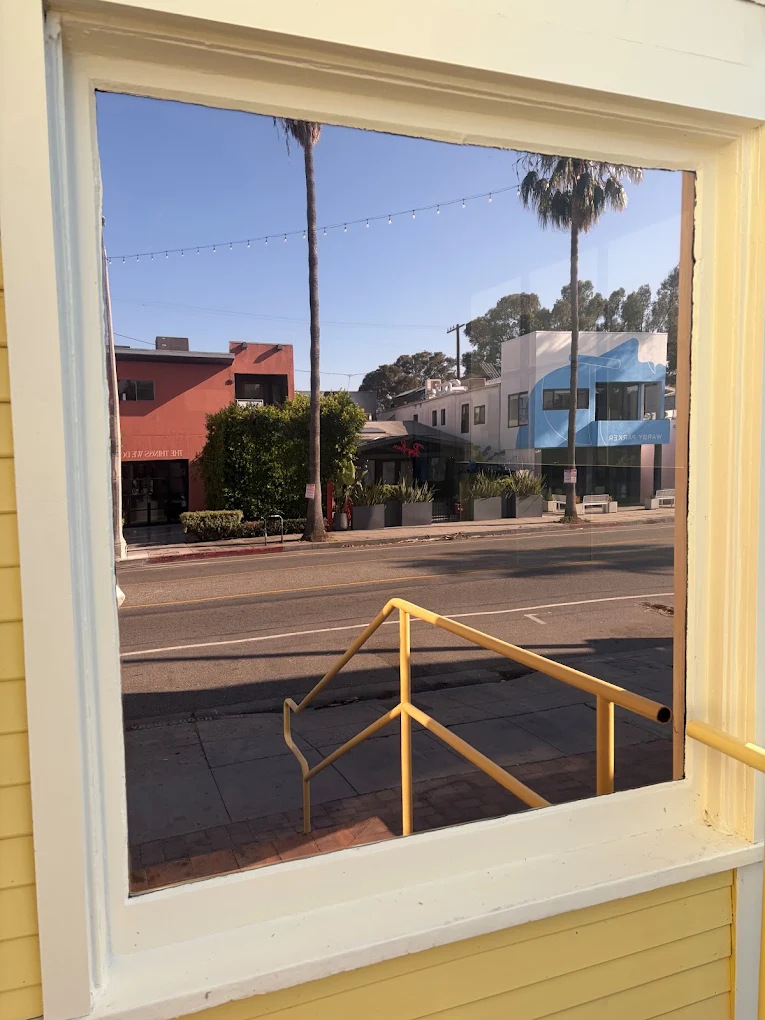
Four Payoffs of Anti-Graffiti Film on DC Shopfronts
Storefront Panes Survive Behind Anti-Graffiti Film
Keys, stones and etching cream only reach the film, so the storefront glass underneath stays intact and you avoid glazier calls, board-ups and repeat replacement bills.
Faster Glass Repair After Vandalism
Damaged film is peeled and replaced in a short visit, so the storefront looks clean again quickly instead of waiting for custom glass to be ordered and set.
Nearly Invisible Glass Protection
Clear anti-graffiti film does not tint or mirror the glass, so displays stay visible and the facade keeps its look on historic and modern blocks alike.
Anti-Graffiti Film Adds Some Impact Resistance
The film adds a modest layer of protection against casual damage, though it is not a substitute for thicker security film where break-ins are the main concern.
Questions DC Shop Owners Ask About Anti-Graffiti Film
Can paint be cleaned off anti-graffiti film?
Usually, yes, with a mild cleaner. Some paints and markers come off easily, others need a specific remover. Deep scratches and etching cannot be cleaned and call for a replacement sheet.
What is a normal replacement cycle for the film?
That is set by how frequently vandals return and how much sun and weather the glass takes. A heavily targeted corner might need new film after each incident, while a quieter location can go years.
Does this film double as break-in protection?
Only slightly. They are different products. Anti-graffiti film protects the glass surface from scratches and paint. Security film is thicker, goes inside, and holds broken glass together. Some owners use both.
Will anti-graffiti film change how my storefront looks?
It is clear and very hard to notice. Displays and signage behind it look the same from the sidewalk.
Anti-Graffiti Film Service Areas in Washington DC
Window film quote
Price Anti-Graffiti Film for Your DC Storefront
Through the quote form, describe the panes that keep getting hit, with rough sizes and the address. We may ask for photos of the damage when we follow up. Expect a written film plan, a price, and an option for fast replacement after the next incident.