
Tint for DC houses
Home Window Tinting in Washington DC
Home window tinting in the District rarely means doing every window. It means finding the four or five panes that make a rowhouse or condo uncomfortable and fixing those with film that still looks like plain glass from the sidewalk.
 Washington DC
Why DC Homeowners Tint Their Windows
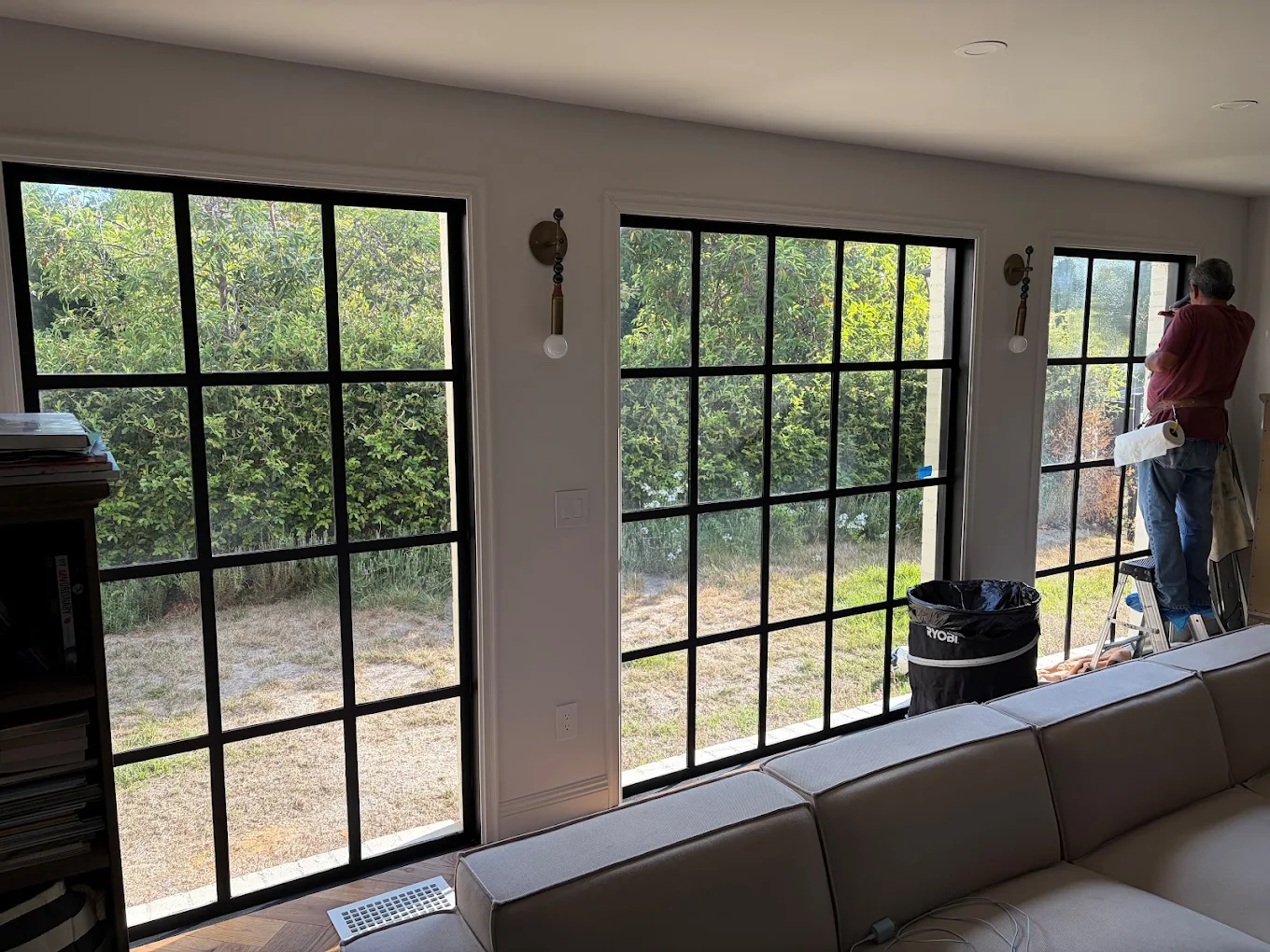
The reasons people give us are specific. A third-floor bedroom on Capitol Hill that stays warm until midnight in August. A rear kitchen addition with a full wall of sliding glass that faces west. A living room bay where the afternoon sun bleaches the sofa. A new condo on the Southwest waterfront where the glare off the water makes the TV unwatchable before dinner.
Each of those calls for a different film. Some need serious heat rejection, some need UV protection and little else, and some need glare control that leaves the view intact. Treating the whole house with one product would overdo some rooms and underdo others, so we plan window by window and keep the street facade consistent where it shows.
Window Tinting for Rowhouses, Condos and Detached Houses in DC
A typical DC rowhouse has three floors of windows on the front and back and almost nothing on the sides, unless it is an end unit. Front windows are often tall one-over-one or two-over-two sashes, sometimes in a projecting bay or turret. Rear windows have usually been changed over the decades, and many houses now have a glass-heavy kitchen or family room addition at the back.
Condo buildings range from converted Victorian mansions in Dupont Circle to glass towers in Navy Yard and NoMa, each with its own association rules. Over the line in Chevy Chase and Arlington, detached houses bring sunrooms, two-story foyers and big family room windows into play. We adjust the film choice to the glass in each case, since single-pane, insulated and factory low-E glass all accept different products.
Home Window Tinting and DC Historic District Rules
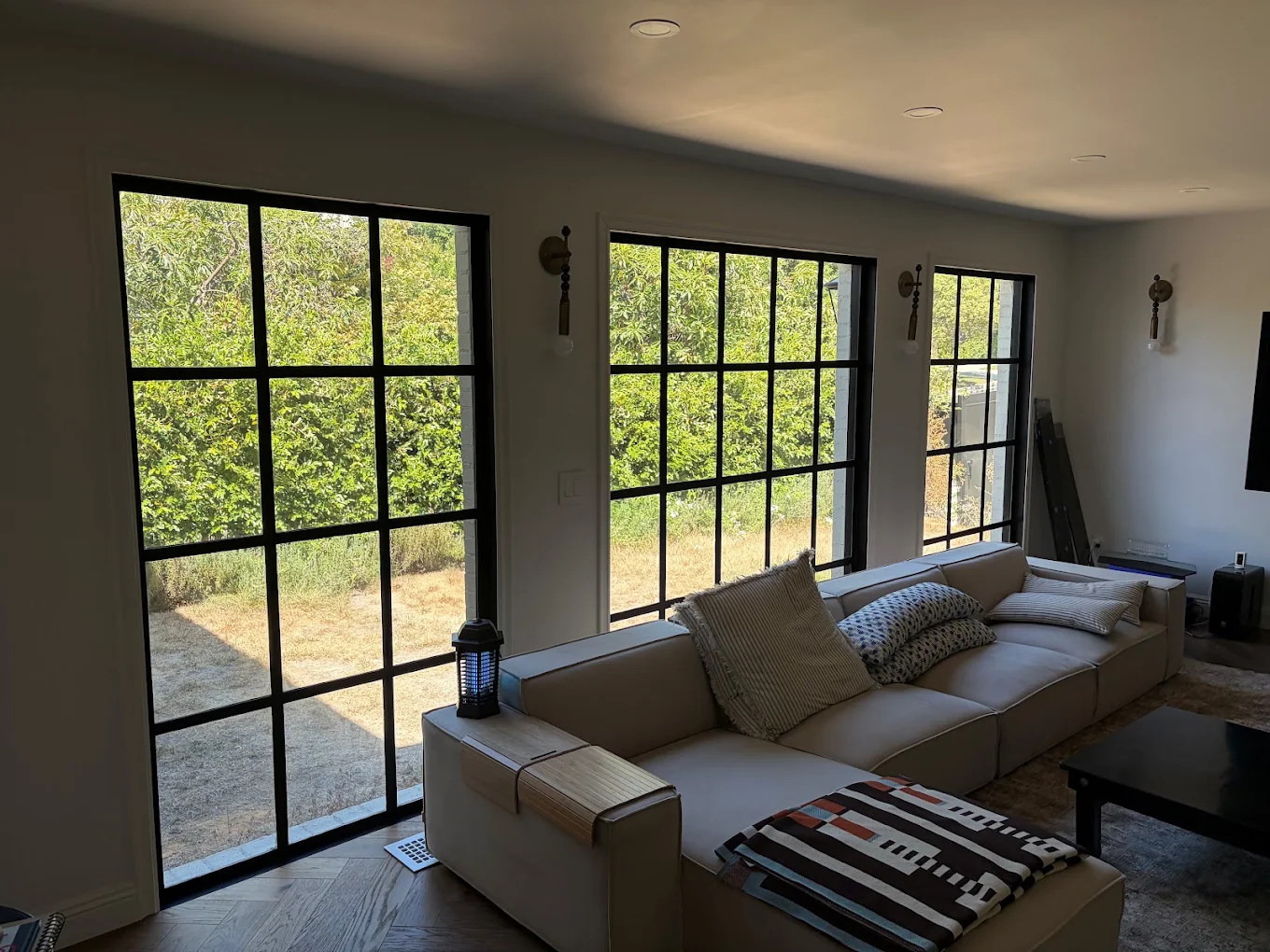
A large share of the District's rowhouses sit in historic districts, from Georgetown and Capitol Hill to Logan Circle and Mount Pleasant. Review bodies there focus on what the public sees: the window sash, the glass and how the facade reads from the street. Interior film leaves the sash and muntins exactly as they were, and a near-clear film is difficult to tell apart from untreated glass.
Dark tints and mirror finishes are another matter, and they can draw a question from the Historic Preservation Office or, in Georgetown, from the Commission of Fine Arts staff. For street-facing glass on a protected block, we recommend low-reflectance products and suggest a call to the reviewing office when a client wants something stronger.
Planning a Home Window Tinting Project in DC
Start with the rooms, not the windows. Tell us where you feel the heat, when the glare is worst and what is fading. From there we pick a film for each exposure, usually a stronger solar film on south and west glass and a clear UV film on north windows and anywhere the light matters most. Privacy and security film can go on the same day.
Installation for an average rowhouse takes a single day. We lay down drop cloths, move items off sills, clean the glass, then cut and apply the film. Curing takes longer in the humid weeks of summer and the cold weeks of winter, so expect a little haze at first that fades on its own.
- Stronger solar film on south and west exposures
- Clear UV film where light and view matter most
- Privacy film for basements, baths and close neighbors
- Safety film for alley doors and ground-floor windows
What Home Window Tinting Does for DC Houses
Cooler Top Floors in DC Rowhouses
Solar film on upper-floor windows cuts the heat that piles onto rooms already sitting under a sun-baked flat roof. Bedrooms cool down sooner in the evening, and a window air conditioner may become unnecessary.
UV Protection for Floors and Furniture
Nearly every residential film blocks the bulk of ultraviolet light, the main driver of fading. Original pine floors, rugs, upholstery and framed prints keep their color longer behind treated glass.
Daytime Privacy Without Heavy Curtains
Light reflective or frosted film on street-level and alley-facing windows lets daylight in while making it harder to see inside during the day, which matters on blocks where sidewalks pass a few feet from the glass.
Home Window Tinting That Suits Historic Facades
Low-reflectance films keep street windows looking like ordinary glass. That keeps the facade consistent with the block and avoids the reflective look that historic district reviewers object to.
Home Window Tinting FAQs for DC Residents
What does home window tinting cost for a DC rowhouse?
It depends on how many panes you treat, which film you choose and how hard the windows are to reach. Small divided panes take more labor than a few large sheets. Most rowhouse projects cover a handful of problem windows rather than the whole house, which keeps the cost down.
Will tinting make my rooms dark?
A light film keeps rooms nearly as bright as before. Selective products are designed to pass daylight and stop infrared. Deeper shades exist for a media room or a west office where glare outweighs everything else.
Can I tint the windows of my condo?
Usually, with association approval. Condo boards in DC typically care about how the building looks from outside. We provide the film spec and a sample for your board to review.
Does window tint help in winter?
A low-emissivity product bounces part of the furnace's heat back toward the room, a real help on single-pane rowhouse sashes in January. Standard solar tint mostly earns its keep from June through September.
What is the right way to wash tinted glass?
Leave the glass alone until curing is complete. From then on, a microfiber cloth and a gentle cleaner with no ammonia is all it needs. Keep scrapers and scouring pads away from the treated surface.
Home Window Tinting Service Areas in Washington DC
Window film quote
Price Home Window Tinting for Your DC House
Point out the rooms that run hot, bright or exposed on the quote form, with rough window sizes. We answer with a film for each window and a total price.