
Calmer light in DC rooms
Glare Reduction Window Film in Washington DC
Glare is light in the wrong place: on the TV, across the laptop, in your eyes at the kitchen counter. Glare reduction film tones down the brightness coming through the glass without hiding the view you chose the home for.
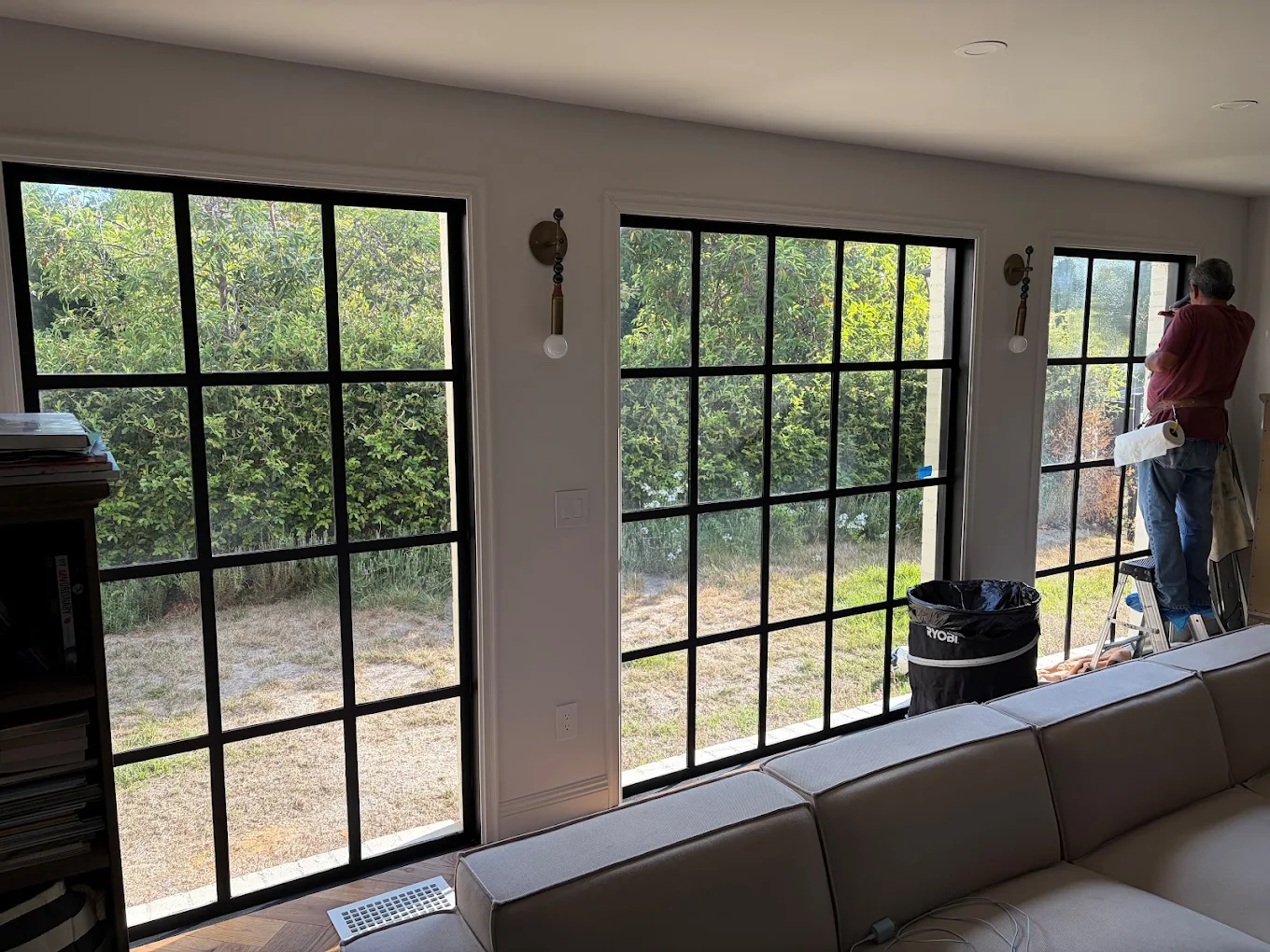 Washington DC
Home Office Glare in DC Rowhouses and Condos
A lot of people in the Washington region now work from home part of the week, often at a desk set up wherever there was room. In a rowhouse that is frequently the front bedroom or a corner of the living room by the bay window. In a condo it might be a desk against floor-to-ceiling glass. Either way, the screen ends up facing a bright window at some point in the day.
Moving the desk is not always possible, and closing blinds trades glare for a dim room and a lamp on at noon. In a narrow rowhouse there may be only one wall where a desk fits, and it is often the wall facing the window. A glare reduction film lowers the visible light coming through the window enough that the screen is readable and the room still feels like daytime.
Water Glare at The Wharf, Navy Yard and Rosslyn
Waterfront living comes with a second sun. Condos along the Washington Channel at The Wharf, apartment towers on the Anacostia near Navy Yard, and high-rises in Rosslyn and Alexandria facing the Potomac take light reflected up off the water, not just direct sun. That reflection arrives at a low angle, gets under awnings and overhangs, and lights up ceilings and screens.
People in these buildings end up living behind lowered shades until dusk, and the water view they paid for goes unused. A neutral glare film with low interior reflectance cuts the brightness while keeping the river or channel clearly visible. We favor films that do not turn the glass into a mirror at night, since a dark reflective film can make it hard to see out after sunset.
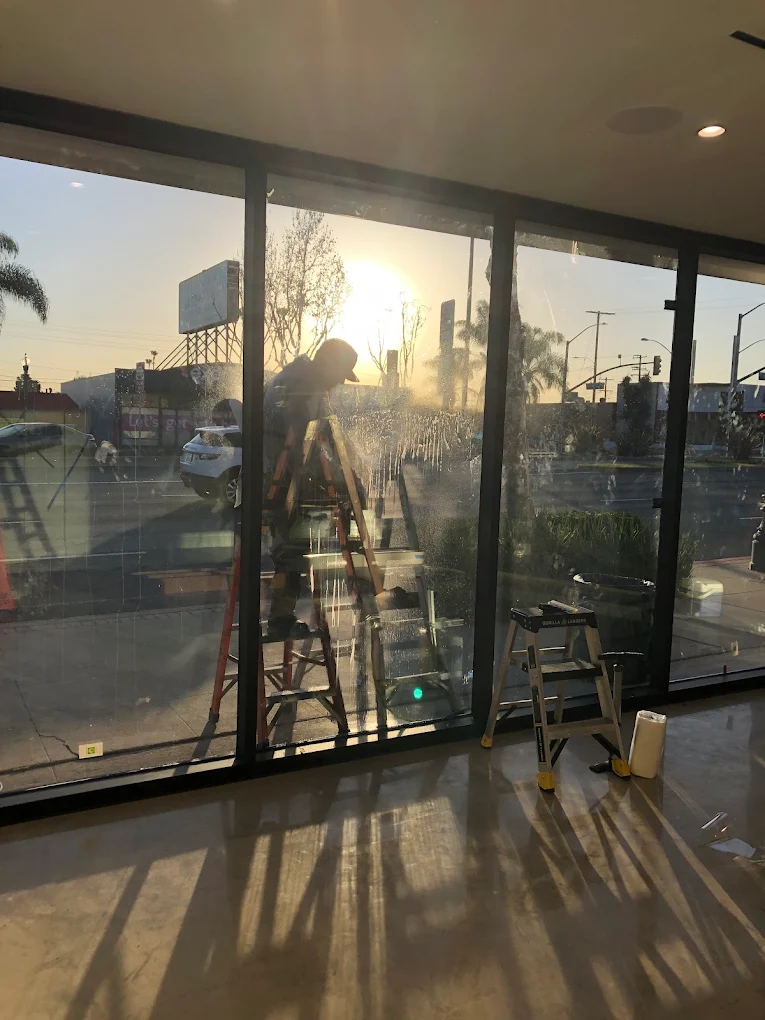
Winter Sun and Snow Glare in the DC Area
Glare is not only a summer problem. The winter sun sits low over the city all day, and from November through February it shines deep into south-facing rooms. After a snowfall, sunlight bouncing off white rooftops, yards and streets brightens everything further.
This is one reason we often recommend a film that handles glare and heat together for south and west windows, while north-facing glass gets something lighter or nothing at all. In Alexandria and Arlington houses with large south windows, winter glare is often the first complaint, ahead of summer heat.
Choosing Glare Reduction Film Shade and Finish
Glare films range from light neutral shades to darker smoke and reflective finishes. The darker the film, the more glare it cuts, and the more it changes how the room feels and how the view looks. Some people prefer a cool gray, others a warmer tone. The best way to choose is to tape samples to the window at the hour the glare is worst and sit where you normally sit.
We also consider the glass. A deep smoke film soaks up more solar energy, and on some sealed double-pane units that extra heat is a stress risk, so we confirm compatibility with the window before recommending a shade.
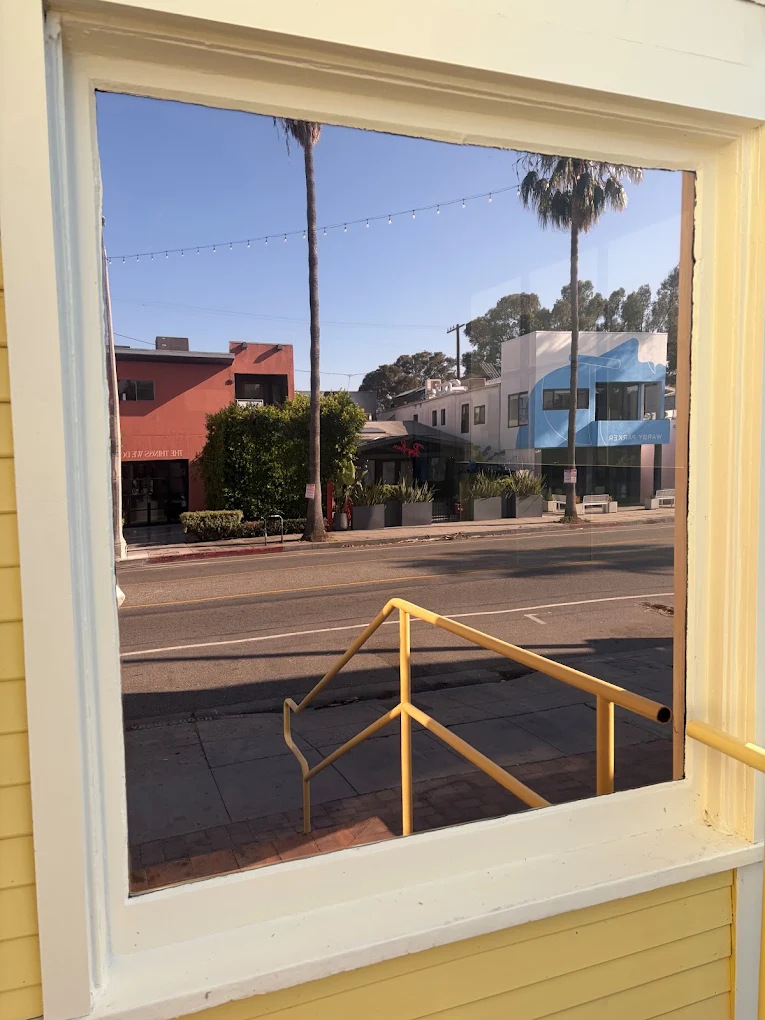
Why DC Condo Owners and Remote Workers Add Glare Film
Readable Screens Near Bright Windows
Lower visible light at the glass means screens stop washing out in the afternoon, so a home office desk can stay where it is and still work through the day.
Glare Film Keeps the View
Neutral glare films reduce brightness without blurring the view, so the river, park or skyline outside stays sharp while the light inside becomes comfortable.
Less Eye Strain in Rooms With Glare Film
Cutting harsh contrast between a bright window and a darker room reduces squinting and eye fatigue for anyone reading, cooking or working near the glass.
Glare Film With Heat and UV Control
A glare product is rarely only a glare product. The same sheet turns away part of the summer heat and screens out ultraviolet, so the room stays cooler and the rug by the window keeps its color longer.
Common Questions on Cutting Window Glare Around DC
Is a glare film going to leave my condo gloomy?
It depends on the shade. Light glare films leave rooms bright and still cut the harshest light. We show several shades on your glass so you can judge before choosing.
Can I still see out at night with glare film?
With neutral, low-reflectance films, yes. Highly reflective films can create a mirror effect indoors after dark, so we avoid them where the night view matters.
Do condo associations allow glare film?
Most boards approve neutral films that leave the facade unchanged. Bring them the product sheet and a small sample, which we supply, and approval is usually a formality. Reflective products face more scrutiny, particularly in towers with a uniform curtain wall.
Will glare film help with my TV?
Yes. Reducing light through the nearest window cuts screen washout. In rooms with a lot of glass, a darker film on the windows facing the TV may help most.
Could you film just the pane behind the monitor?
Yes, though we match films on windows seen together from outside so the facade stays consistent. Treating only the problem windows is common.
Glare Reduction Window Film Service Areas in Washington DC
Window film quote
Price Glare Reduction Film for Your DC Home Office or Condo
Tell us where you sit when the glare hits, what time it happens and which way the window faces, all on the quote form. We will reply with film shades to try and a price.