
Safer glass for DC homes
Security Window Film for Washington DC Homes
Most residential break-ins in a rowhouse city happen at the back, through an alley door or a low window. A filmed pane will still break, but it stays in one sagging sheet instead of falling away, and getting through it costs an intruder time and noise.
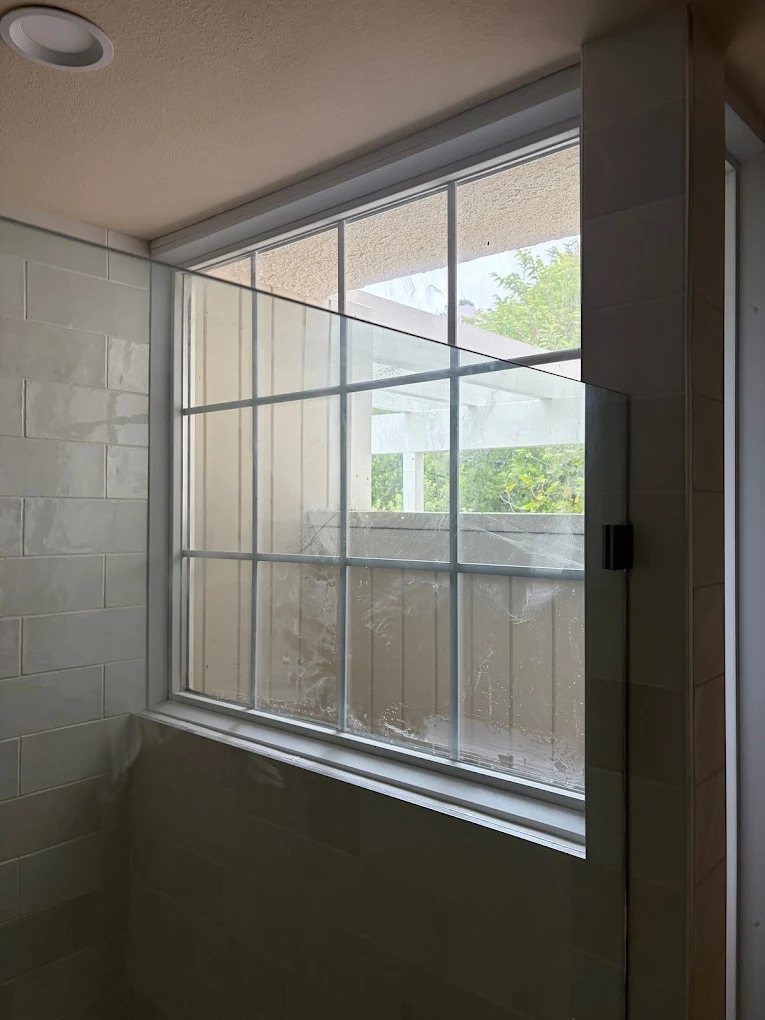 Washington DC
Where DC Homes Need Security Window Film
DC rowhouses back onto alleys, and those alleys are quiet, dark and out of sight of the street. Rear doors with glass panels, kitchen windows a few feet above the yard, and basement windows below the alley grade are the usual targets. Front English basement windows at sidewalk level are another weak spot, especially on blocks with a lot of foot traffic late at night, as in Adams Morgan.
Detached houses in Arlington and the Maryland suburbs have their own soft spots: sliding doors onto a deck, sidelights beside the front door that put the lock within reach, and basement windows behind shrubs. Those are the panes we treat first.
- Glass panels in rear and alley doors
- English basement windows at sidewalk level
- Sidelights next to front door locks
- Sliding and French doors to decks and patios
- Low windows hidden by plantings
How Residential Security Film Works
The product is a heavy-gauge clear polyester glued across the interior face of the pane with an adhesive far stronger than ordinary tint uses. A blow still cracks the glass, yet the fragments cling to the sheet rather than dropping out. An intruder has to keep striking and pulling at a sagging, noisy sheet to make an opening, rather than knocking out a pane and reaching in.
For doors and large panes, we can tie the film's edges into the frame with a mechanical or structural-adhesive attachment, which helps keep the whole sheet in the opening. Even without attachment, the film reduces the scattered glass that injures people inside, whether the break comes from a burglar, a stray ball or a fallen branch during a summer thunderstorm.
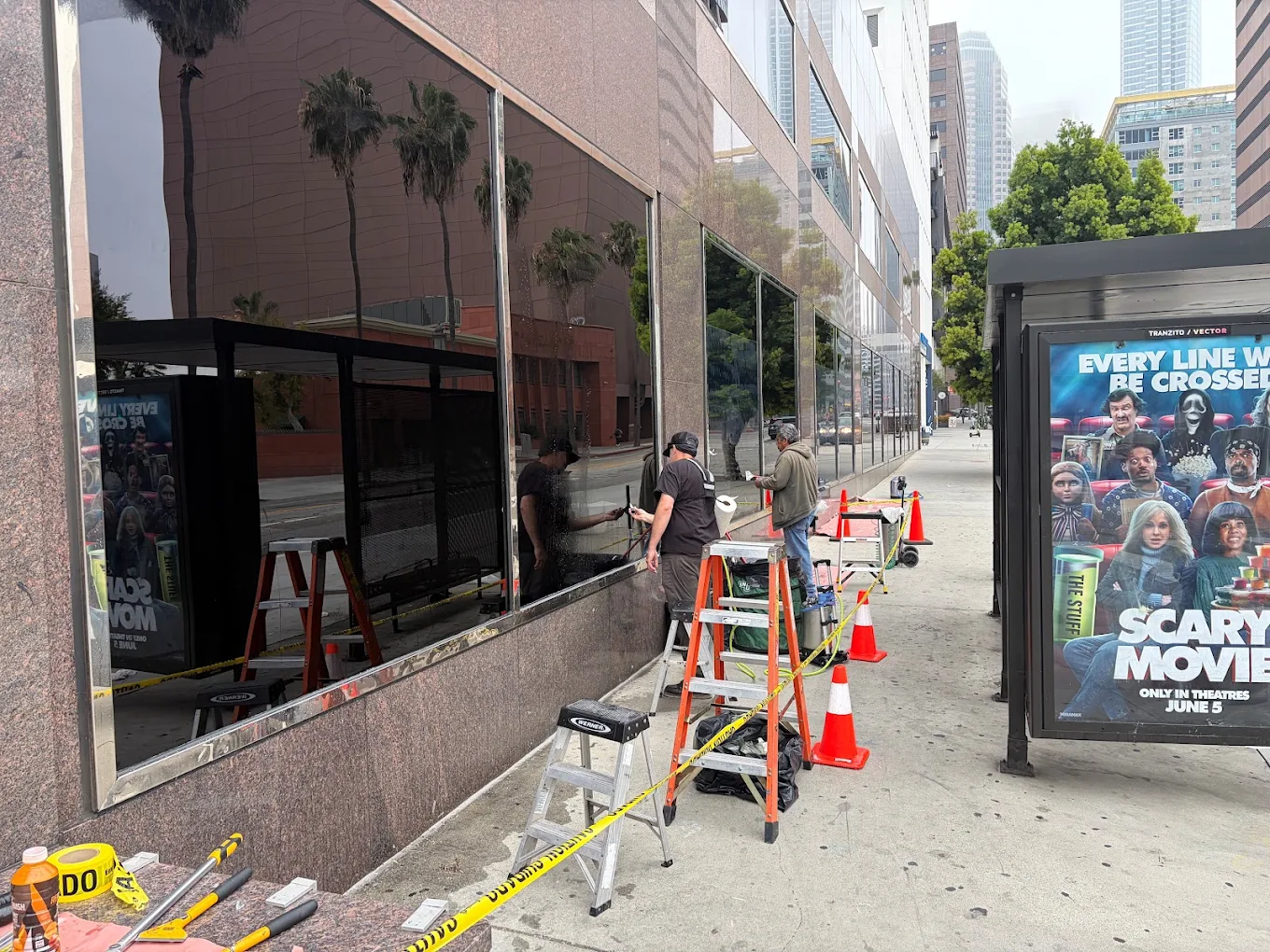
Security Window Film on Capitol Hill and Older DC Rowhouses
On older houses the existing window matters. Thin single-pane glass in an old wood sash will still break, and a determined person can pull the whole sash. Film works best alongside good locks, solid frames and lighting in the alley. We look at the sash and frame condition before recommending film so you are not spending money on glass that the frame cannot back up.
Security film is clear and adds no visible tint, so front windows on Capitol Hill and other historic blocks look exactly as they did. Reviewers have no reason to object to a film nobody can see.
What Security Window Film Can and Cannot Do
Film buys time and reduces flying glass. That is a real benefit, and it is also the limit of what the product does. It does not stop a person with enough time and tools, and it is not a rated forced-entry or ballistic product on residential glass. We describe it the same way to every client because overselling it leaves people with a false sense of safety.
Combined with an alarm, motion lights in the alley and better locks, film makes your house a slower, noisier target than the one next door, which is often enough to send someone elsewhere. Ask your insurer or a security consultant how film fits with the rest of your plan; we are happy to talk with them.

Four Ways Security Film Helps a DC Rowhouse or House
Security Film Slows Entry Through Glass
Broken glass stays bonded to the film, so an intruder has to keep working at the opening instead of reaching through. That costs time and makes noise, both of which burglars avoid.
Less Flying Glass After a Break
Whether glass breaks from a burglary attempt, a storm or an accident, the film holds most of the shards together, reducing cuts and cleanup inside the house.
Clear Security Window Film
Security film adds no visible tint, so treated windows look like the rest of the house from the street and from the alley, and nothing signals where the film is.
UV Blocking Included With Security Film
Like most window films, security film blocks most ultraviolet light, so the rooms behind it get some protection from fading as a side benefit.
Rowhouse Owners Ask About Security Window Film
Can a filmed window keep someone out of my house?
Not by itself. It turns a quick smash into a slow, loud struggle. It does not make glass unbreakable. Used with locks, lighting and an alarm, it makes your windows a much less inviting entry point.
Is security film visible from outside?
Clear security film looks like ordinary glass. Tinted versions are available if you also want heat control, but most DC homeowners choose clear.
Should I put security film on every window?
Usually not. Focus on ground-floor, basement and alley-facing glass and any pane near a door lock. Upper-floor front windows are rarely the entry point.
What thickness of security film do I need?
Thicker film resists more but costs more. For most rowhouse doors and windows, a mid-weight film with an attachment system on doors is a sensible balance. We recommend thickness based on the glass and frame.
Does security film help in storms?
It keeps broken glass from scattering if a branch or debris hits the window during a thunderstorm. It does not make the window storm-rated.
Security Window Film Service Areas in Washington DC
Window film quote
Price Security Window Film for Your DC Rowhouse or House
List the doors and windows that worry you, especially at the back and below grade, and send that list with the quote form. The reply covers film thickness, whether doors need frame attachment, and the cost.