
Screen out the sidewalk
Privacy Window Film in Washington DC
Rowhouse blocks and tightly spaced condo buildings put a lot of DC living space within view of strangers. The right film turns the glass opaque to passersby and keeps the daylight, so you can stop keeping the blinds shut all day.
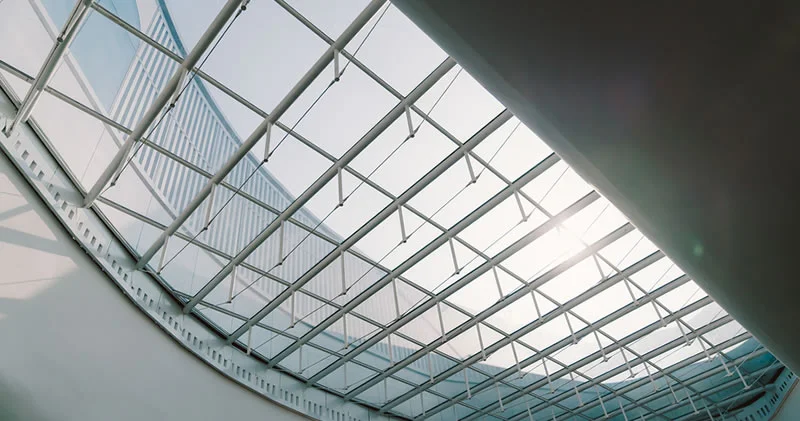 Washington DC
Privacy Film for DC English Basement Windows
English basements are one of the District's signature housing types: a separate unit a few steps below the sidewalk, with front windows at the height of a passerby's knees or waist. Tenants and owners want light, and those front windows are often the only source. They also give anyone walking past a clear look into the living room or bedroom.
The fix is film on the lower sash only, either fully frosted or fading from opaque to clear. The frosted area blocks the view from the sidewalk, while the clear upper section keeps a slice of sky and lets light reach the back of the unit. On Capitol Hill and in Columbia Heights we install this on basement windows constantly.
Privacy Window Film for Condos in Navy Yard and NoMa
New residential buildings in Navy Yard and NoMa often face each other across courtyards or narrow streets, sometimes close enough to see what is on a neighbor's TV. Residents leave blinds closed and lose the light and view they paid for.
Reflective daytime privacy film makes it hard to see into a unit during daylight because the outside is brighter than the inside. It reverses at night when interior lights are on, so it works best paired with sheer shades for evening. Frosted film on bathroom and bedroom glass gives privacy around the clock. Condo associations usually need to approve anything that changes the look of the facade, so we provide specs and samples for the board.
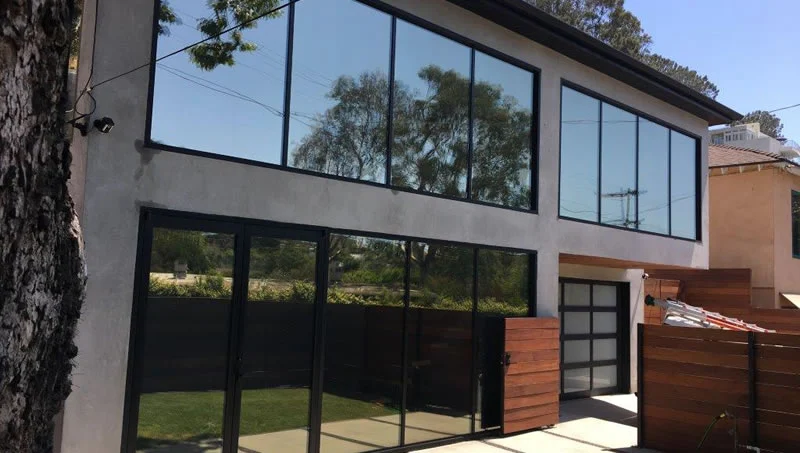
Bathroom and Side Window Privacy Film in DC Homes
End-unit rowhouses in Silver Spring and the District often have side windows that look straight at the house next door, a few feet away. Bathrooms everywhere have the same issue. Full frost, etched patterns and reeded glass looks give privacy and still pass daylight.
Swapping in obscure glass is permanent and costs more. Film peels off later and leaves the original pane in place. That matters in historic rowhouses, where owners want to keep old glass, and in rentals, where tenants want privacy without permanent changes.
Types of Privacy Window Film for DC Windows
Each privacy film works a different way, and the right choice depends on where the viewer stands and what time of day the room gets used. A sidewalk-level basement window, a bathroom across a six-foot gap from the house next door and a tenth-floor bedroom facing another tower all call for something different.
We bring samples to every visit. Stand on the sidewalk or in the courtyard and look back at your own window with each one taped up, at the hour you care about. That test settles most decisions in a few minutes. Here is how we usually match film to the situations we see around DC.
- Frosted film for bathrooms and side windows that face a neighbor
- Gradient film for English basement windows at sidewalk level
- Reflective daytime privacy film for condo glass facing another building
- Decorative patterns that add privacy to doors and sidelights
- Blackout film for media rooms and night-shift bedrooms
Privacy Window Film Benefits for DC Residents
Privacy Film Keeps Daylight Without the View In
Privacy film blocks sightlines while still letting light pass, so basement units and bathrooms keep their daylight and you no longer depend on blinds that stay shut all day.
Privacy Film for Sidewalk-Level Windows
Gradient and frosted film on lower sashes keeps passersby from seeing into English basements and ground-floor rooms, while the upper glass stays clear for sky and light.
Removable Privacy Window Film
Film comes off cleanly, which suits renters, condo owners who may sell, and historic houses where the original glass should stay in the window.
Added UV and Heat Control
Most privacy films also block ultraviolet light, and reflective privacy films reject solar heat, adding comfort to the same windows you are screening.
Privacy Window Film FAQs for DC Homes
Does privacy film work at night?
Frosted and etched finishes screen the room around the clock. Mirror-style one-way products depend on the street being brighter than your room, so once your lamps are on in the evening, pull a shade.
Will privacy film make my basement apartment darker?
Frost scatters incoming light instead of stopping it, and basement rooms usually feel about as bright as before. A gradient that leaves the top clear keeps even more light.
Can renters install privacy film?
With the landlord's permission, yes. Film removes without damaging the glass, which makes it easier for landlords to approve. Many DC basement leases already allow window coverings, and film is often treated the same way once the owner sees that it peels off cleanly at move-out.
Do I need condo board approval for privacy film?
Usually yes if the film changes the exterior look, especially reflective film. Frosted film on bathroom glass is often allowed. Check your association's rules.
Can privacy film be cut into custom shapes?
Yes. We can cut bands, borders, house numbers or patterns into frosted film to suit the window and the style of the house. A clear strip at eye level or a stenciled address on a transom are common requests on older blocks.
Privacy Window Film Service Areas in Washington DC
Window film quote
Price Privacy Film for Your DC Basement, Bath or Condo
Describe the windows, who can see in and from where, and send it all through the quote form. You will get a film suggestion and a price.