
DC home window film
Residential Window Film for DC Rowhouses, Condos and Houses
A Washington rowhouse has light coming from two directions and very little from the sides, so the front and rear windows carry the whole house. Residential film lets those windows keep their light while losing the heat, glare and exposure that come with them.
 Washington DC
Residential Window Film Services in Washington DC
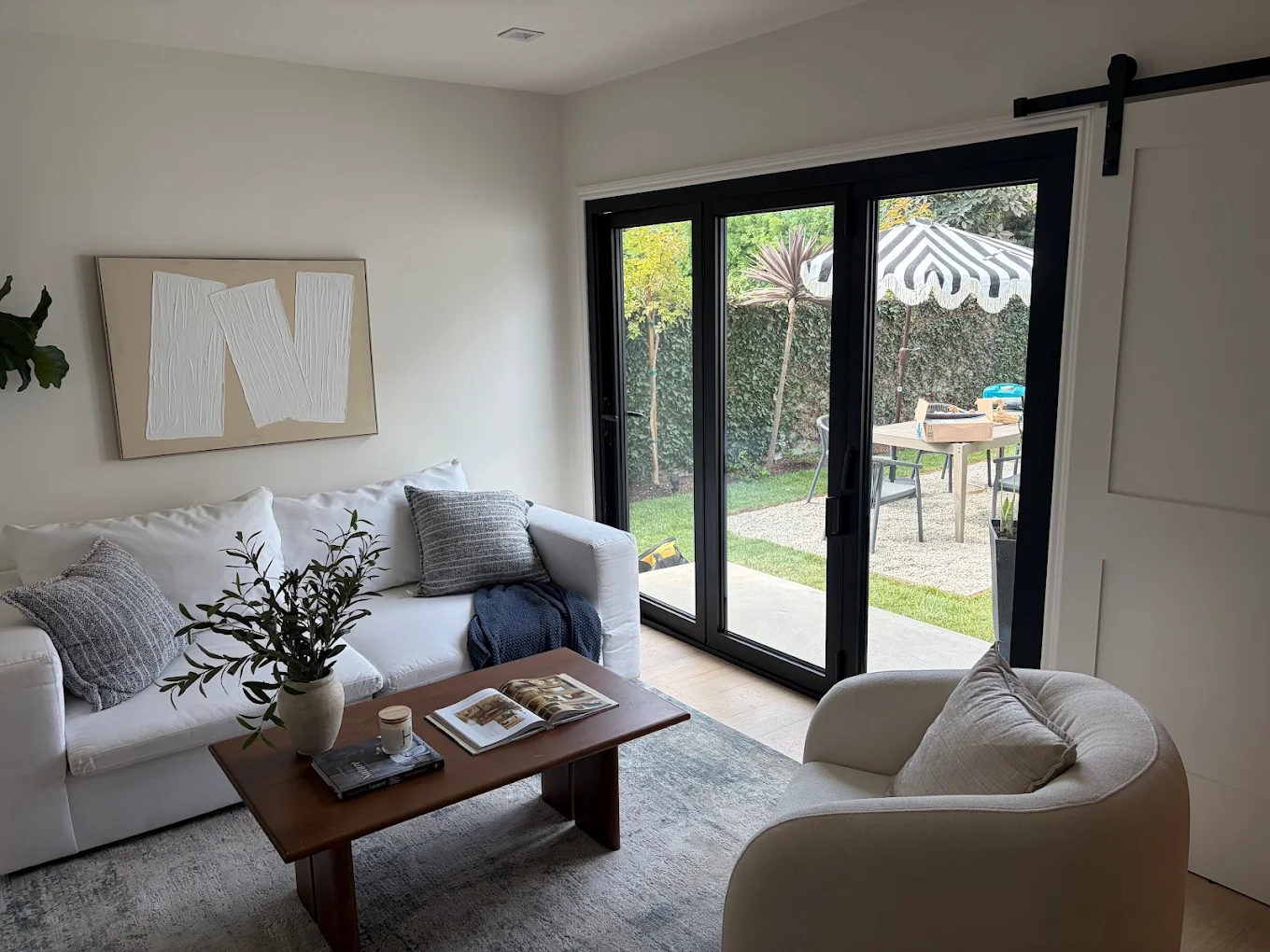
Home Window Tinting in Washington DC
Whole-house or room-by-room tinting for rowhouses, condos and suburban homes. We match films across each elevation so the street facade looks even, and adjust strength to the sun each window actually gets.
Home Window Tinting details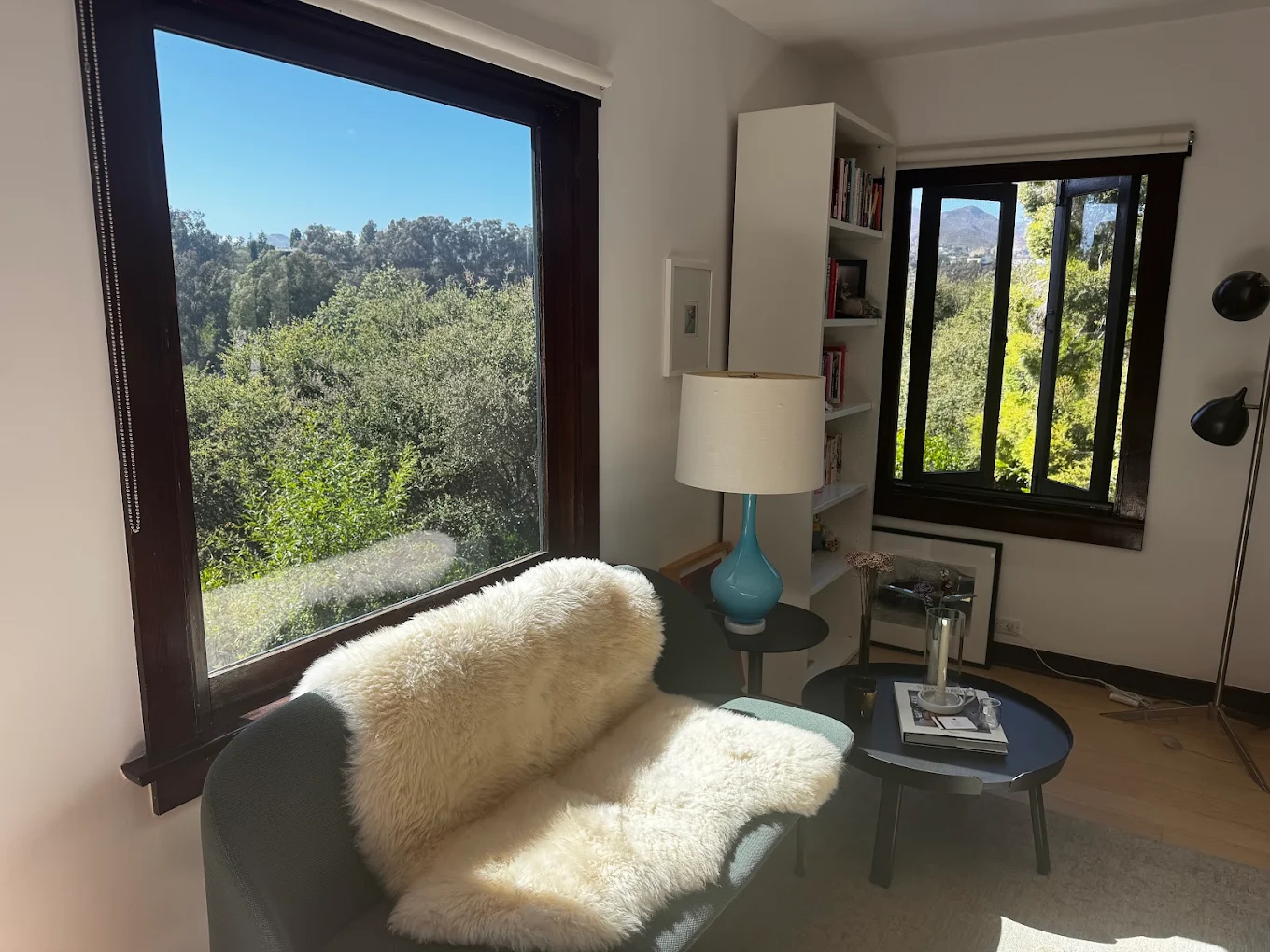
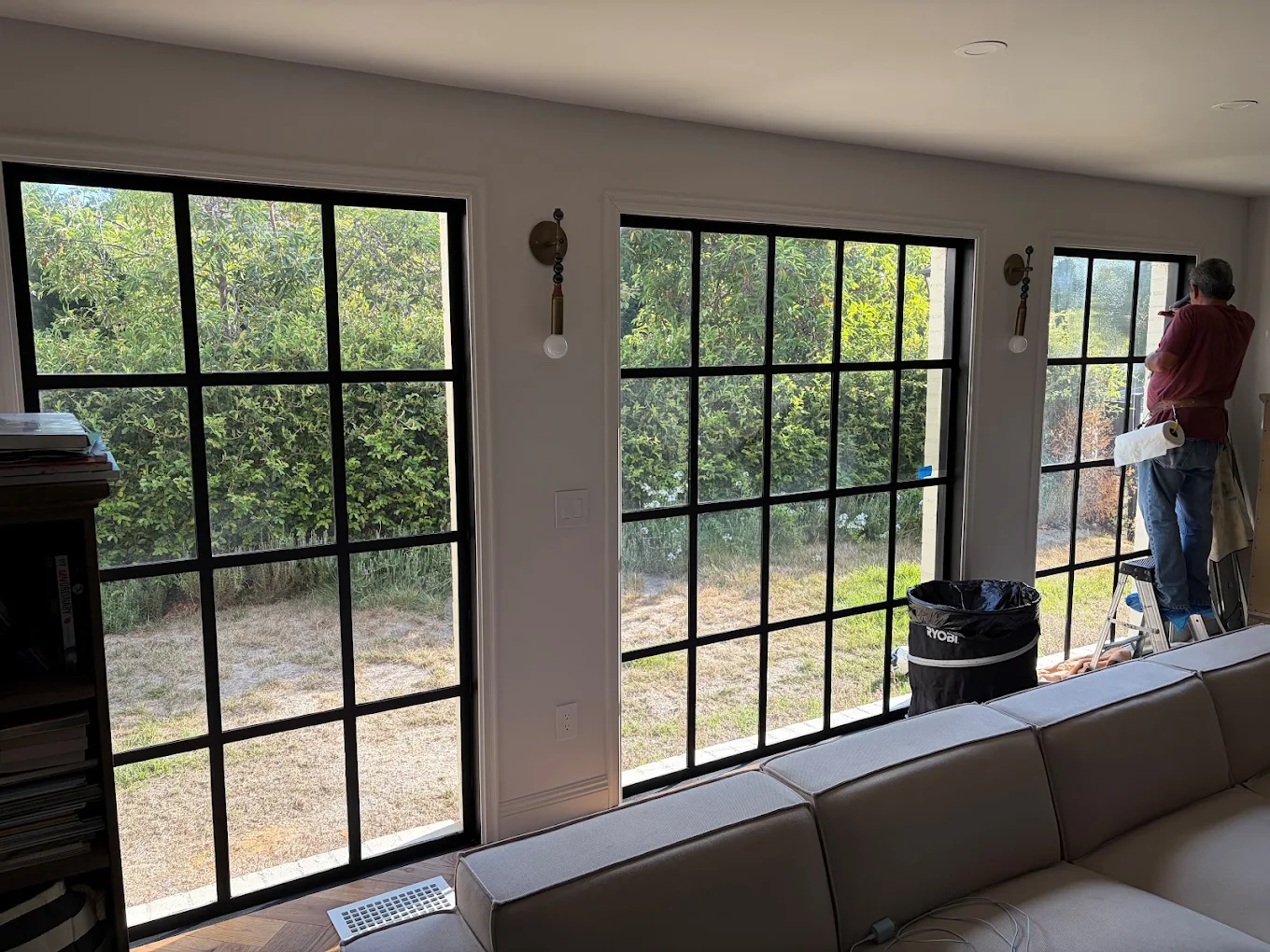
Heat Control Window Film in Washington DC
Aimed at third-floor bedrooms, rear additions, sunrooms and any window that faces west. Cuts solar heat through the long humid summer and keeps the room usable after lunch without closing every blind.
Heat Control Window Film details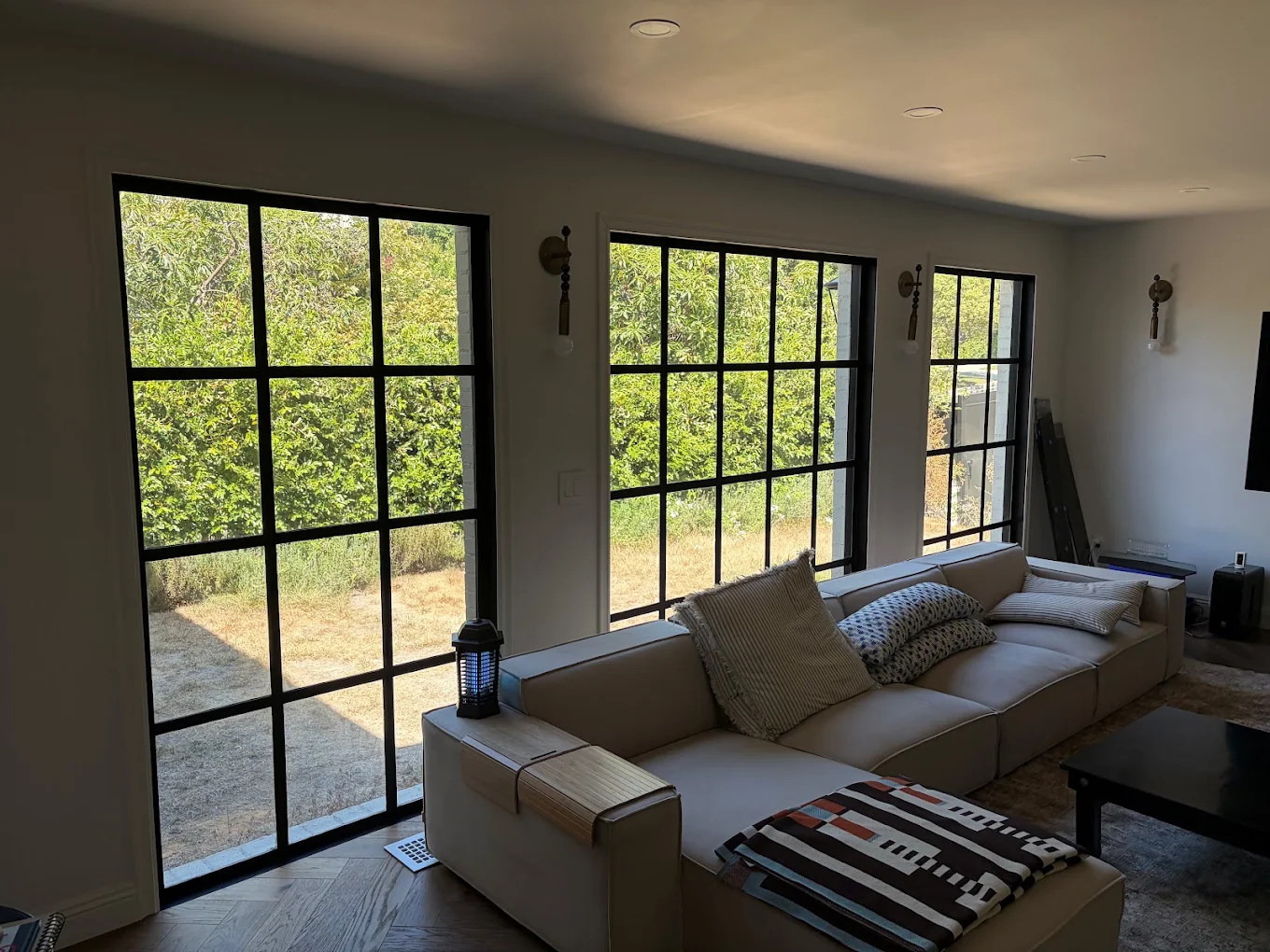
UV Protection Window Film in Washington DC
Protects old heart pine and oak floors, Persian rugs, framed prints and fabric from sun damage. The film is nearly clear, so period windows keep their look from the street and from inside.
UV Protection Window Film details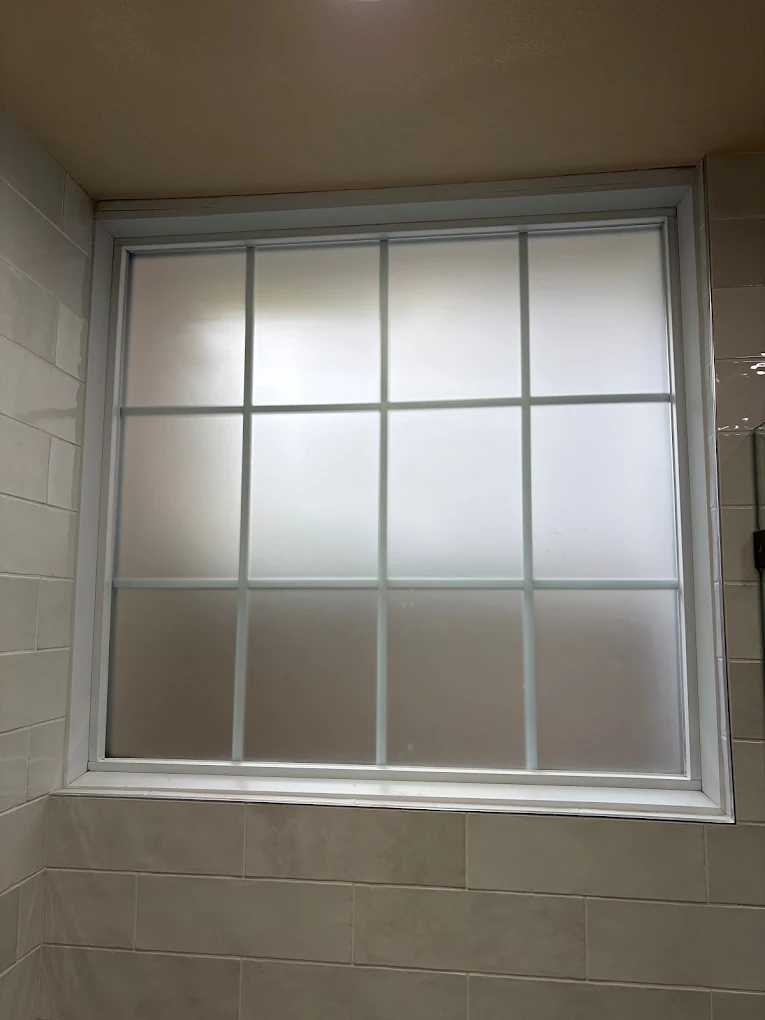
Privacy Window Film in Washington DC
Frost, gradient and one-way finishes for English basement windows, bathrooms, and condo units that face a neighbor. Light still comes in, and you choose how much of the view to give up.
Privacy Window Film details
Decorative Window Film in Washington DC
Etched, reeded and patterned film for transoms, sidelights, shower windows and cabinet doors. It can mimic old textured glass and peels off later without any change to the original window.
Decorative Window Film details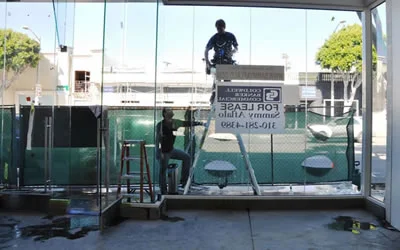
Security Window Film in Washington DC
Thick clear film for alley-facing doors, ground-floor sashes and basement windows. When glass is struck, the pieces stay bonded to the film, which slows entry and keeps shards off the floor.
Security Window Film details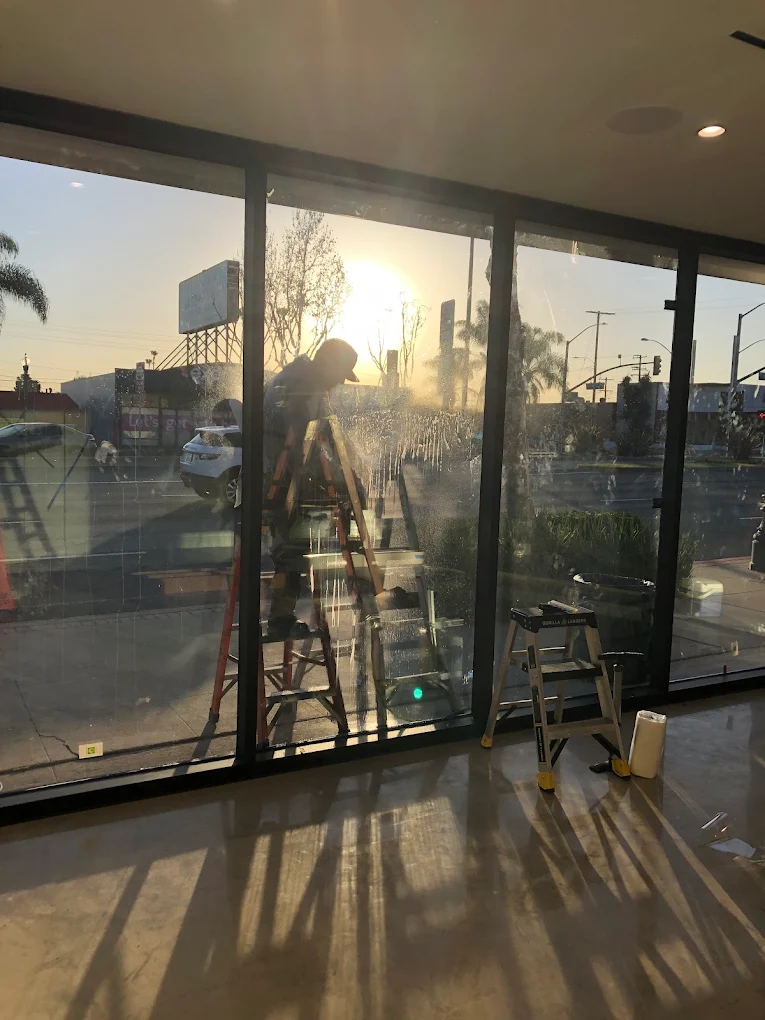
Glare Reduction Window Film in Washington DC
Takes the edge off bright light in home offices and media rooms, and on condo glass facing the Potomac, the Anacostia or the Washington Channel, without turning the room dim.
Glare Reduction Window Film details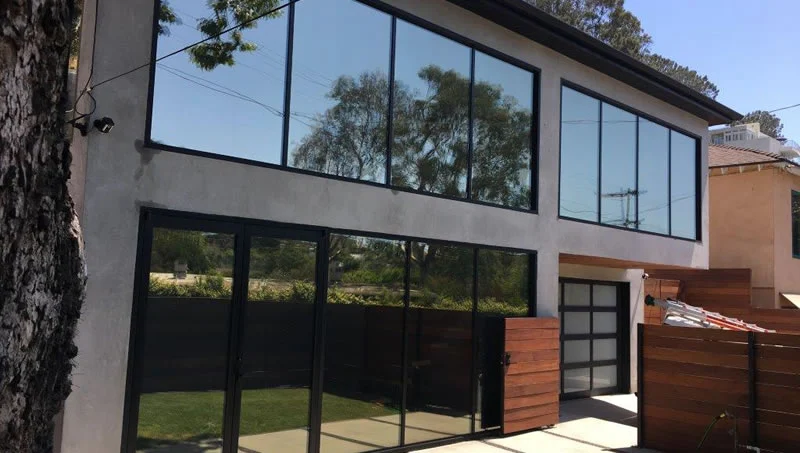
Energy-Saving Window Film in Washington DC
Solar and low-E options that cut cooling in summer and help hold heat in winter. A practical choice where historic rules or cost make window replacement unrealistic.
Energy-Saving Window Film detailsWindow Film for Washington DC Rowhouses
Most rowhouses in the District share a layout: a street facade with tall double-hung windows or a projecting bay, a rear elevation that often got a glassy addition or a deck door in a later renovation, and party walls on both sides. Which elevation catches the hard sun depends entirely on the block. On an east-west street the rear windows may face due south and bake all afternoon, while a house one block over gets morning sun at the front and shade behind.
The top floor usually suffers most. Flat roofs over rowhouses absorb heat all day, and a west or south window on that floor adds solar gain on top of it. Heat control film on just those openings is often the cheapest way to make a third-floor bedroom usable in July without running a window unit.
English Basements, Condos and Privacy Film in DC
English basements are a DC staple: a separate unit half below grade with windows right at sidewalk height. Owners and tenants want daylight but not the eyes of every person walking a dog past the front steps. Frosted or gradient privacy film on the lower part of the sash solves that while still letting light in.
Condo buildings bring a different privacy problem. In Navy Yard, NoMa and along 14th Street, new buildings sit close together, and unit windows can face each other across a narrow courtyard. Reflective daytime privacy film or a light frost on bedroom and bathroom glass gives residents room to keep blinds open. We confirm with the condo association before installing anything visible from outside.
Home Window Tinting in Arlington, Bethesda and the Suburbs
Across the river and up Wisconsin Avenue the housing changes. Arlington has brick colonials, Cape Cods and garden apartments alongside high-rise condos in Rosslyn and Ballston. Bethesda, Chevy Chase and McLean add larger detached houses with sunrooms, two-story family rooms and big rear windows looking onto wooded lots. Reston and Rockville have plenty of townhouses with sliding doors facing a shared green.
Suburban homes tend to have insulated, often low-E glass, which narrows the list of compatible films. We check the glass before quoting, and for HOA or Reston Association review we provide spec sheets and a sample so the committee can see how the film looks from the street.
Historic District Review and Residential Window Film
Interior film is reversible and leaves the sash, glass and muntins untouched, which is why it fits historic houses better than replacement windows do. A near-clear or spectrally selective film is hard to spot from the sidewalk, and that is what review bodies in Georgetown, Capitol Hill, Dupont Circle and Old Town Alexandria care about most.
Mirror and dark films are the exception. They change how a facade reads, and on a protected block they may need review. When a project falls in that gray area, we suggest confirming with the reviewing office first and supply product data for the conversation.
Residential Window Film Questions From DC Homeowners
Can I put film on the original wavy glass in my rowhouse?
Usually yes, with care. Old cylinder glass is thin and uneven, so we use films suited to single-pane glass and avoid dark, highly absorbing products that raise the temperature of the pane. We inspect for cracks and loose glazing putty first.
Do I need my condo board's permission for window film?
Most condo associations in DC regulate anything visible from outside, including tint color and reflectivity. Check your bylaws or ask management. We provide the spec sheet and a sample to support your request.
Will window film help in winter as well as summer?
Low-E film sends a share of indoor warmth back toward you, which is noticeable on a cold February evening. Standard solar film mainly reduces summer heat. For drafty rowhouse windows we often suggest a low-E product for that reason.
How long does residential window film installation take?
A typical rowhouse or townhouse takes a single day. Larger houses with many panes or tall two-story glass can take two. Film then needs time to cure before the glass is cleaned.
Window film quote
Get a Residential Window Film Quote in DC
List the problem rooms and the direction each one faces through the quote form. Your rowhouse, condo or colonial gets a written film plan and price in return.