
DC summer heat film
Heat Control Window Film in Washington DC
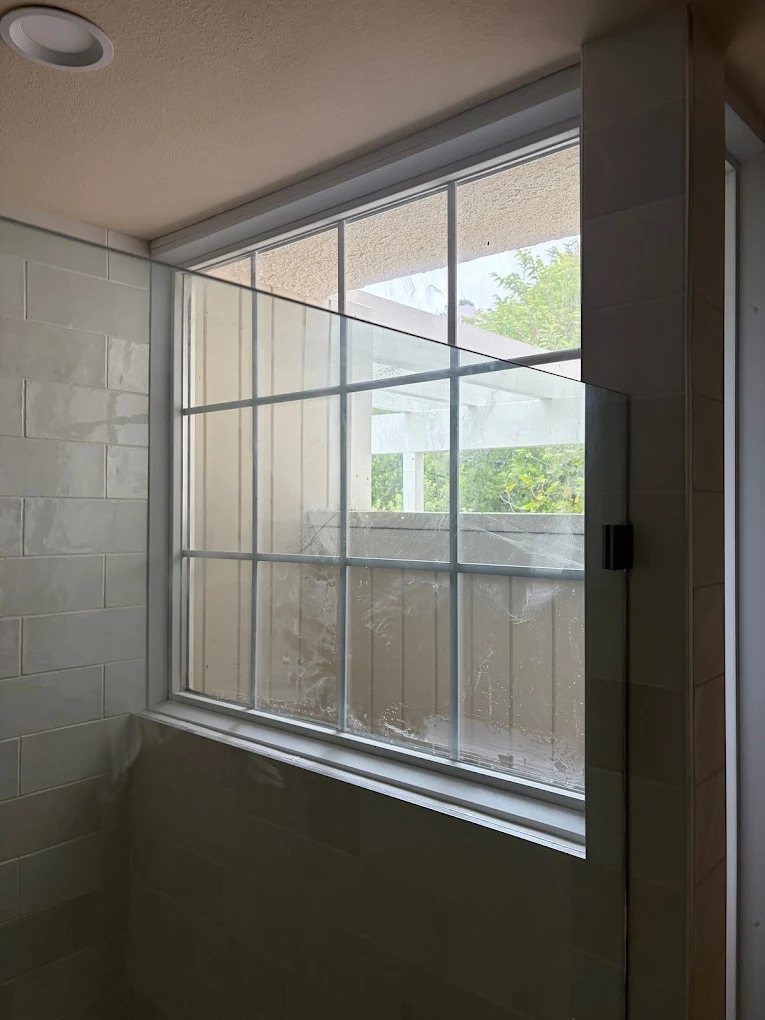
Washington's summer heat is wet and slow to leave. Heat control film cuts the share that comes in through your windows, so the rooms facing the afternoon sun stop running hotter than the rest of the house.
 Washington DC
How Washington DC Summers Heat Up Your Windows
From late spring into September, DC sees long runs of hot, humid days, and the nights often stay warm. A house never gets a cool night to reset, so the heat that comes through the glass during the afternoon is still there the next morning. Air conditioning has to handle that solar heat and the humidity at the same time.
At this latitude the summer sun climbs high at midday, which means a decent roof overhang shades south glass around noon. The low sun of early morning and late afternoon is the bigger problem. It hits east and west windows nearly straight on, and that is when a rear addition or a west bedroom heats up fast.
Heat Control Film for Rowhouse Top Floors and Rear Additions
In a DC rowhouse the hottest room is usually on the top floor. Flat roofs soak up sun all day, and the upper bedrooms catch whatever heat the roof sends down plus the solar gain through their own windows. In Logan Circle and Adams Morgan we hear the same story constantly: the third floor is fine in May and unlivable by July.
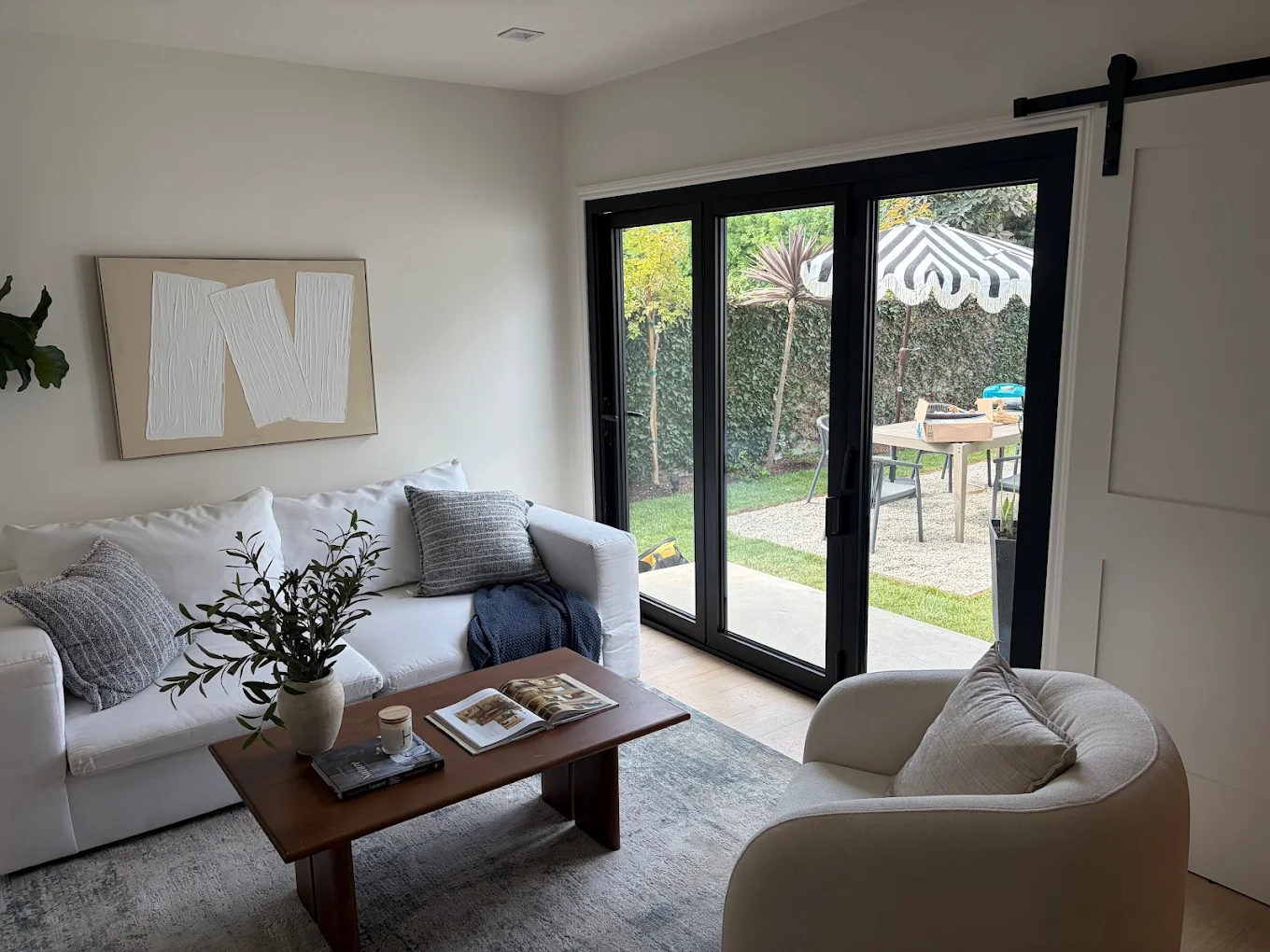
Rear additions are the second hot spot. Renovations over the past few decades have opened the back of many rowhouses with wide sliders, folding doors and clerestory glass. Facing south or west, that glass can make a new kitchen the warmest room in the house. Heat control film on those specific panes is a quick fix that does not require reworking the addition.
Choosing a Heat Control Window Film for DC Homes
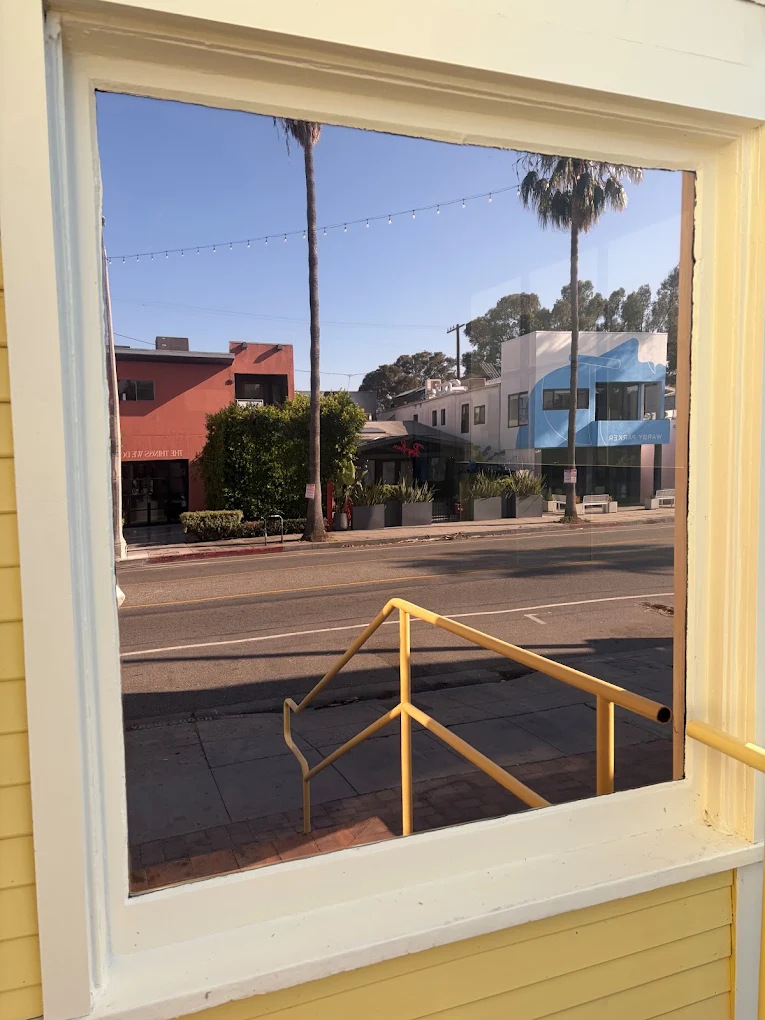
Heat control products split into two groups. Mirror-finish reflective products turn away the most heat but give the glass a mirror-like look from outside, which can be a problem in historic districts and some HOAs. Spectrally selective products go after infrared and ultraviolet while letting daylight through largely intact, which is why a room behind them stays bright and the glass reads as nearly untreated.
Most of our DC clients pick a spectrally selective film for street-facing glass and sometimes a stronger product on rear windows nobody sees. The glass matters too. Single-pane sashes in older rowhouses take most films well. Insulated and low-E units in newer condos and suburban houses need a film the maker approves for that glass, which we confirm before quoting.
Heat Control Window Film in Reston, Rockville and the Suburbs
In the suburbs the house is bigger and so is the glass. Reston townhouses often have a two-story wall of windows over a deck. Colonials in Rockville and Bethesda have family rooms with large rear windows and sunrooms added on. Tall glass above eye level gets no shade from trees or awnings and pours heat into rooms with high ceilings.
On those homes we often treat the upper panes with a stronger film and the lower ones with something lighter, which keeps the view to the yard while cutting the heat that collects near the ceiling.
DC Rowhouse and Condo Results From Heat Control Film
Heat Control Film Lowers Afternoon Room Temperatures
Film rejects a large share of the solar energy hitting west and south glass, so rooms with afternoon sun heat up more slowly and stay closer to the thermostat setting through the evening.
Lower Pepco or Dominion Cooling Bills With Window Film
Less solar heat through the glass means the air conditioner runs less on the hottest days. Savings depend on the house, but the biggest gains come from treating east and west windows that take direct low sun.
Brighter Rooms With Heat Control Film
Spectrally selective films reduce heat while keeping most daylight, so you can leave shades open on summer afternoons instead of living in a darkened room to keep it cool.
UV Protection Included in Heat Control Film
Heat control films also stop most ultraviolet light, slowing the fading of hardwood, rugs and fabric in the same sunny rooms that overheat.
Washington DC Questions About Solar Heat Film
Which heat control film rejects the most heat?
The answer changes product to product. Darker and reflective films reject more solar heat than light, near-clear films. We show the published performance of each option and put samples on your glass so you can feel the difference at the hot hour.
Does solar film cost me warmth in a DC winter?
Solar film reduces some winter sun gain, which slightly reduces free heating on sunny days. Low-E heat control films offset this by reflecting indoor heat back into the room. For drafty older homes, low-E is often the better pick.
Can I put heat control film on dual-pane windows?
Usually, provided the maker lists that film for your sealed units. Some combinations absorb too much heat and stress the glass. Our first visit settles what kind of insulated unit you have, and only then do we name a product.
Will my HOA or historic district allow heat control film?
Near-clear spectrally selective films are rarely an issue because they look like regular glass. Reflective films are more likely to need approval. Check your HOA or the DC Historic Preservation Office if you plan a reflective film.
How long does heat control film last?
Interior film on residential glass typically lasts many years, and the film maker's warranty sets the exact term. Gentle cleaning helps it age well.
Heat Control Window Film Service Areas in Washington DC
Window film quote
Price Heat Control Film for Your Hottest DC Rooms
Name the rooms that overheat, the hour they get worst and the direction they face on the quote form. We reply with suggested films and what they cost.